


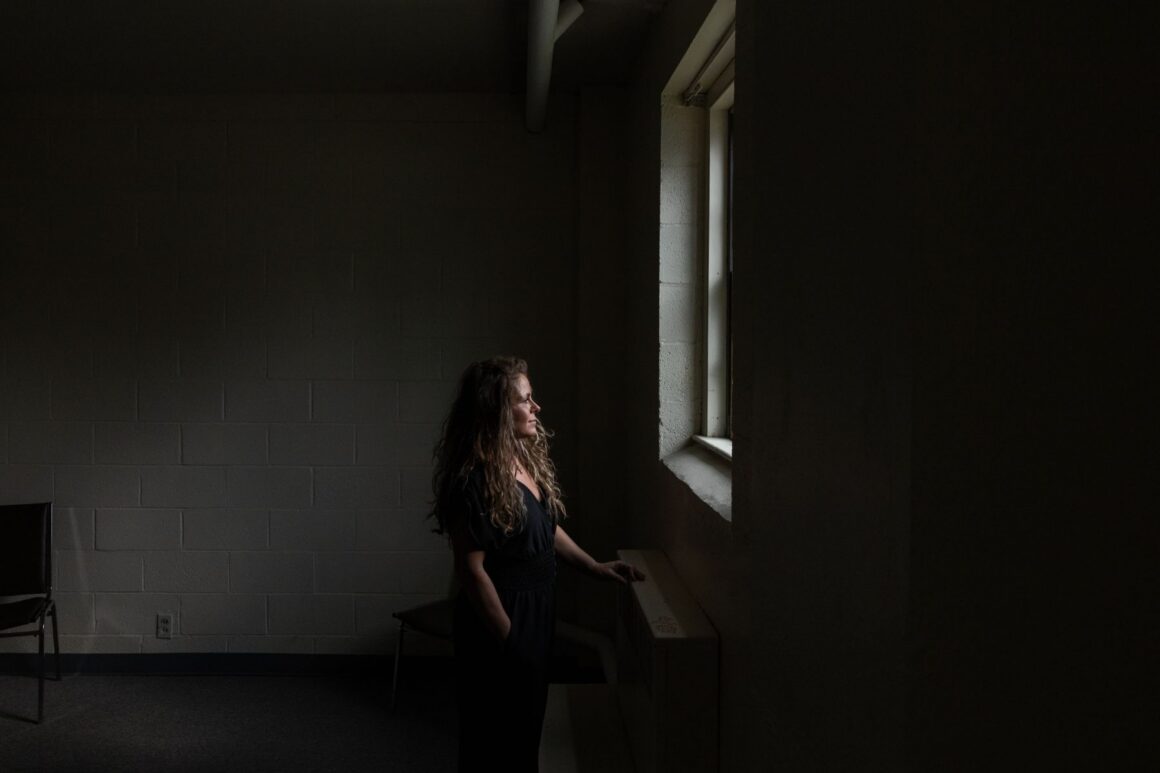
Audrey Condon was 19 years old when she gave birth to her first child in September 2007. It was a cesarean section, and her doctor sent her home with a “great big bottle” of Percocet to manage the post-surgical pain. In Condon’s recollection, her doctor at Franklin Memorial Hospital in Farmington didn’t warn her that the drug, a powerful opioid, could be addictive.
She went back for a second bottle of the prescription painkillers, then started buying oxycodone off the street. Her drug use was sporadic, Condon said, but “enough for it to be an issue.” A couple of years later, as she was going through a divorce, she stopped using the drugs –– she doesn’t recall exactly how –– but started drinking instead.
In November 2009, when her daughter was 2, police arrested her for operating under the influence of alcohol.
“I was scared out of my mind,” Condon said.
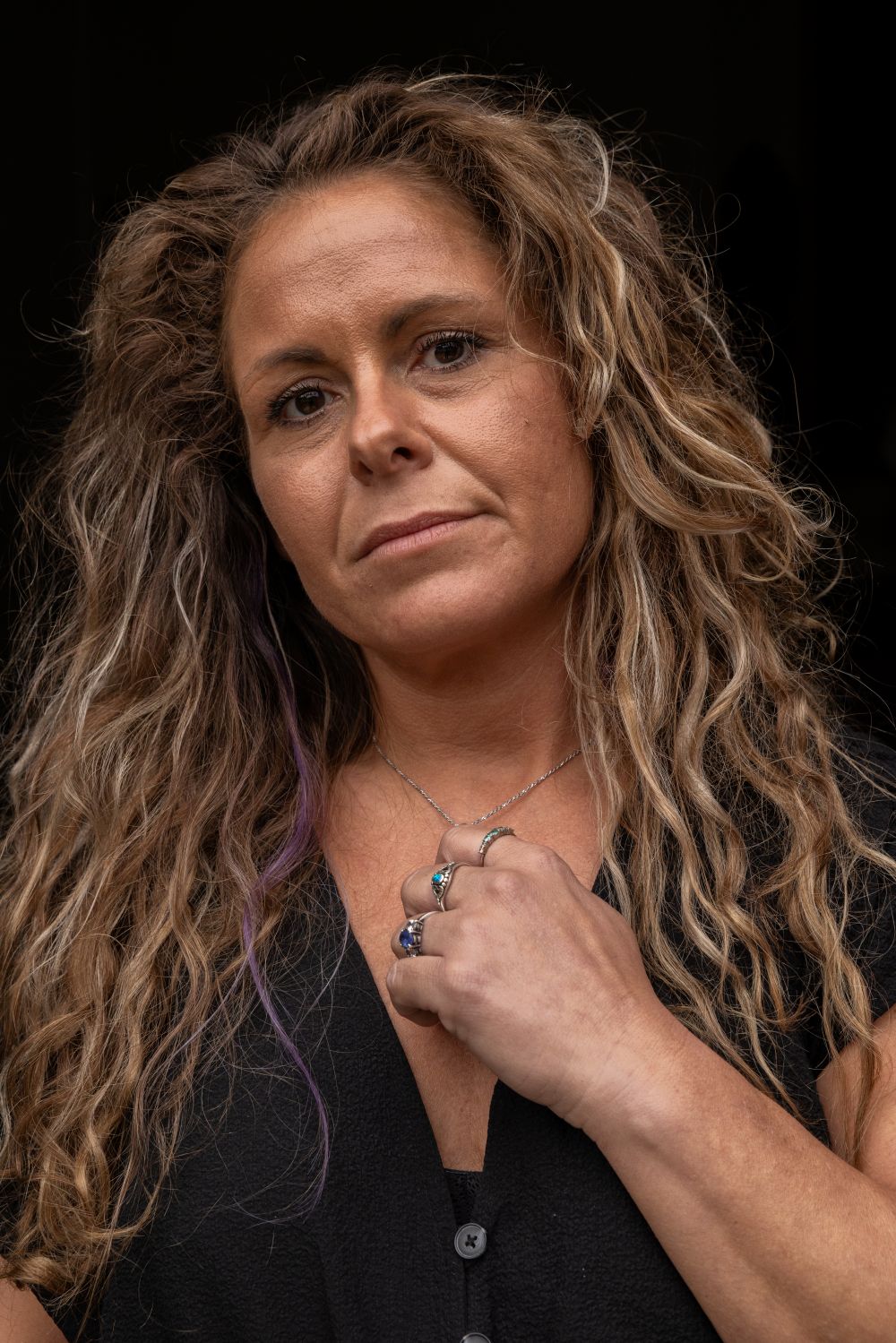
She spent a couple of nights at the Kennebec County Correctional Facility in Augusta. Her parents bailed her out; she paid a $500 fine and a judge suspended her license for 90 days. She swore she’d never drink and drive again.
But that November arrest ended up being the first in Condon’s years-long relationship with the criminal justice system –– one that is inextricably tied to her struggle with drug and alcohol addiction. It’s a pattern that officials at Maine’s county jails say is all too familiar and one they are trying new methods to counter, with limited resources and mixed success.
Condon, now 38, has had fits and starts of sobriety over the years. Most were short-lived. She recently celebrated a year in recovery –– the longest period she has been sober since she was sent home with that bottle of painkillers nearly two decades ago. She credits a new addiction treatment program at the Franklin County Detention Center in Farmington, and the support she has received from jail staff since leaving the facility, with helping make that possible.
But it has been a long journey.
The year after her first arrest, Condon relapsed. Soon, she was taking around a dozen 30-mg pills a day while working as a traveling certified nursing assistant in hospice care.
“I wasn’t getting high anymore. That was long gone,” Condon said. “It was just to keep me from getting sick.”
A couple of years passed, and eventually she admitted to her mother that she had been struggling with opioids since her daughter was born. She spent a week and a half in a detox bed at St. Mary’s Regional Medical Center in Lewiston and then 30 days in the hospital’s intensive outpatient program. She stayed sober for six months before relapsing again.
In 2014, she was arrested in Westbrook for operating under the influence. A judge gave her an alternative sentence and ordered her to complete community service.
The next year, she found out she was pregnant with her second child. At that point she was taking Vicodin, another opioid, which a doctor had prescribed. Condon said she didn’t really need the painkiller for anything in particular, but she had convinced herself –– and a doctor –– that she did.
Determined to get off opioids but terrified that coming off the Vicodin could lead to a miscarriage, she asked her doctor for help. He sent her to a methadone clinic.
Methadone has long been a common and effective treatment for opioid use disorder and can be safely prescribed during pregnancy. But it comes with a stigma; Condon did not realize at first that methadone was another opioid and was not thrilled about the course of treatment.
Still, the methadone helped her get off the Vicodin and she gave birth to her second child, another daughter, in May 2015. The baby was premature but healthy.
Although Condon’s medical record noted that she was taking methadone to treat an opioid use disorder, she said her obstetrician sent her home with oxycodone.
“Before I knew it, I was buying again,” she said.
She continued using oxy even as she transitioned off methadone and switched to Suboxone, a combination of buprenorphine and naloxone taken as a daily pill to treat addiction.
In 2017, after another breakup, she lost custody of both children. They each went to live with their respective fathers.
Condon’s drug use intensified. She started crushing oxy pills and injecting them, then moved on to stronger drugs: heroin, cocaine and methamphetamine.
In June 2019, Condon was arrested for operating under the influence for the third time –– now a felony charge. She wasn’t sentenced until February 2022, when she pled to a lesser charge and a judge gave her a deferred disposition.
Eleven months later, Condon was arrested for fentanyl possession, a class C crime that carries a maximum sentence of five years. She pled to a lesser possession charge; a judge revoked her probation for the 2019 OUI and sentenced her to jail time. She was booked into the Somerset County Jail in Madison in November 2023 to serve a 90-day sentence.
The jail had launched a new addiction treatment program the year before, providing prisoners with extended-release, injectable buprenorphine to prevent withdrawal symptoms and reduce cravings. At the time, it was the only one of its kind in the state.
Condon began receiving the monthly shots, but said she felt largely indifferent about the treatment and wasn’t able to keep up with the shots after she was released. She said she and the ex-boyfriend she was arrested with were given little support as they left the jail.
“When we got out, we were trying to find jobs. We were trying to like, get our medications straightened out, keep doctor’s appointments straight, checking in with our probation officer,” Condon said. “There was a lot to it, and of course we were trying, but we were very much struggling. There was no structure, really.”
She began using again and was arrested several more times over the next year, with various stints at the Franklin County Detention Center. In March of last year, she was given the option of a “bed-to-bed” transfer –– released on personal recognizance from the Franklin jail to finish out the remainder of her sentence at a recovery home in Sanford.
At the time that Condon arrived at the recovery home, she had been sober for a few months. But she ended up relapsing with another resident. Condon was arrested for violating the conditions of her release and brought to the York County Jail in Alfred, where she spent a couple of weeks before being transferred back to the jail in Farmington.
Condon re-entered the Franklin County jail last June just as it was gearing up to launch its own long-acting buprenorphine program for addiction treatment. She jumped at the opportunity to receive the injections. Something had shifted since she received the treatment at the Somerset County Jail –– this time she was ready.
“I wanted to live like a normal person,” she said.
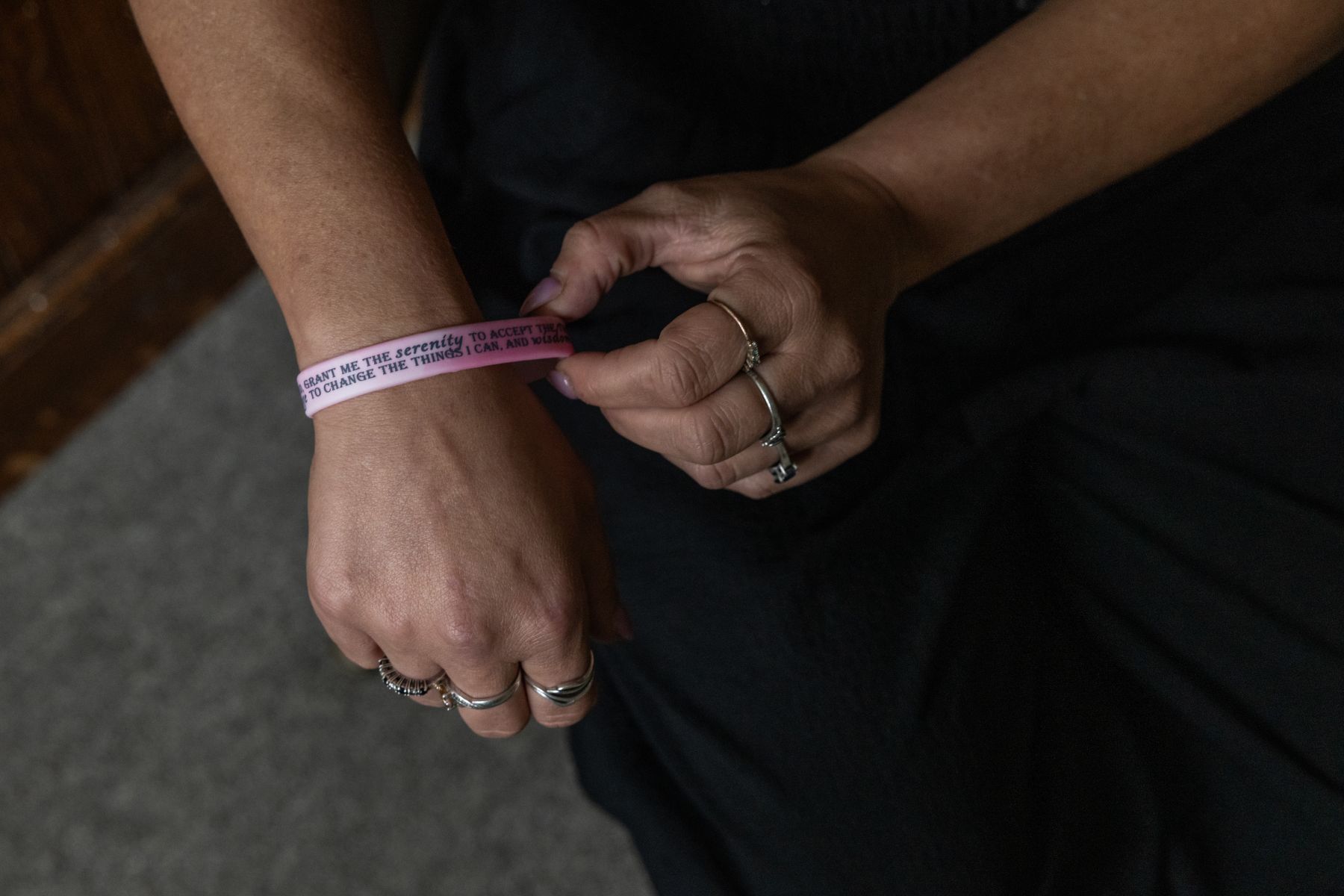
Condon said she felt a sense of relief immediately after getting her first shot. She didn’t have to worry about withdrawal symptoms returning in less than 24 hours, a constant anxiety when she was on the daily oral medication.
Still, the medications themselves aren’t everything, a lesson she learned after her time at the Somerset County Jail. What made a difference this time around, she said, was the support she received from jail staff in figuring out her life post-release.
“If they can help you while you are in jail to get yourself set up for when you come out, that is the best thing that they can do for you,” Condon said. Otherwise, “it feels like a revolving door of just the same crap.”
Sgt. Ryan Close, who helps oversee a federal grant that helps fund the Franklin County jail’s treatment program, and Cheryl Rackliff, the Maine Department of Health and Human Services intensive case manager assigned to the jail, were “absolutely amazing,” Condon said.
Close and Rackliff made sure Condon’s Social Security paperwork was in order. Rackliff got her signed up for MaineCare. They made sure her prescriptions — Condon has epilepsy — were sent to her primary care physician. They connected her to Better Life Partners, which provides telemedicine-based addiction treatment and counseling. They discussed where she would live: Did she want to try another recovery home? Did she want to stay in Farmington, close to her parents and daughters? What would be best for her?
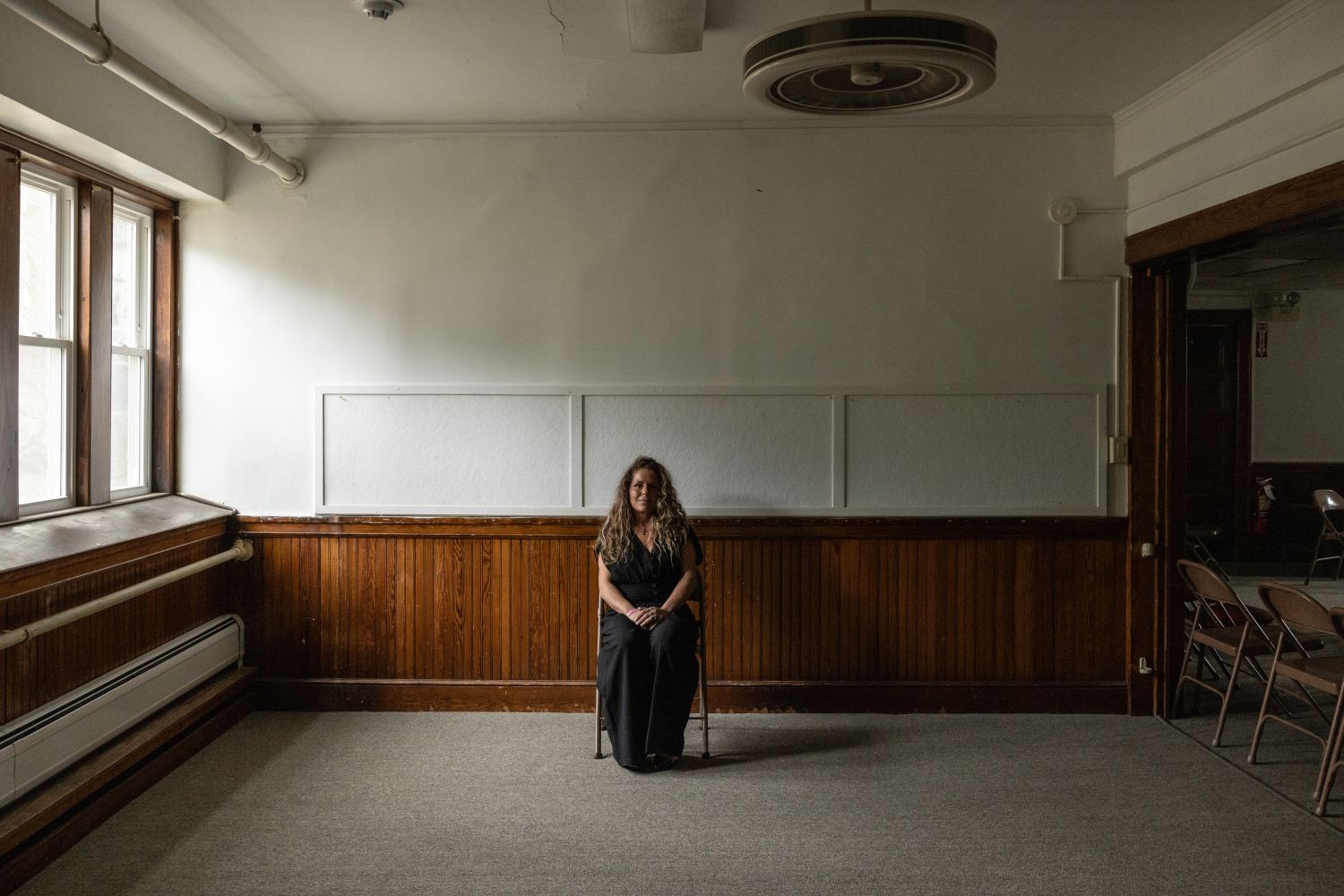
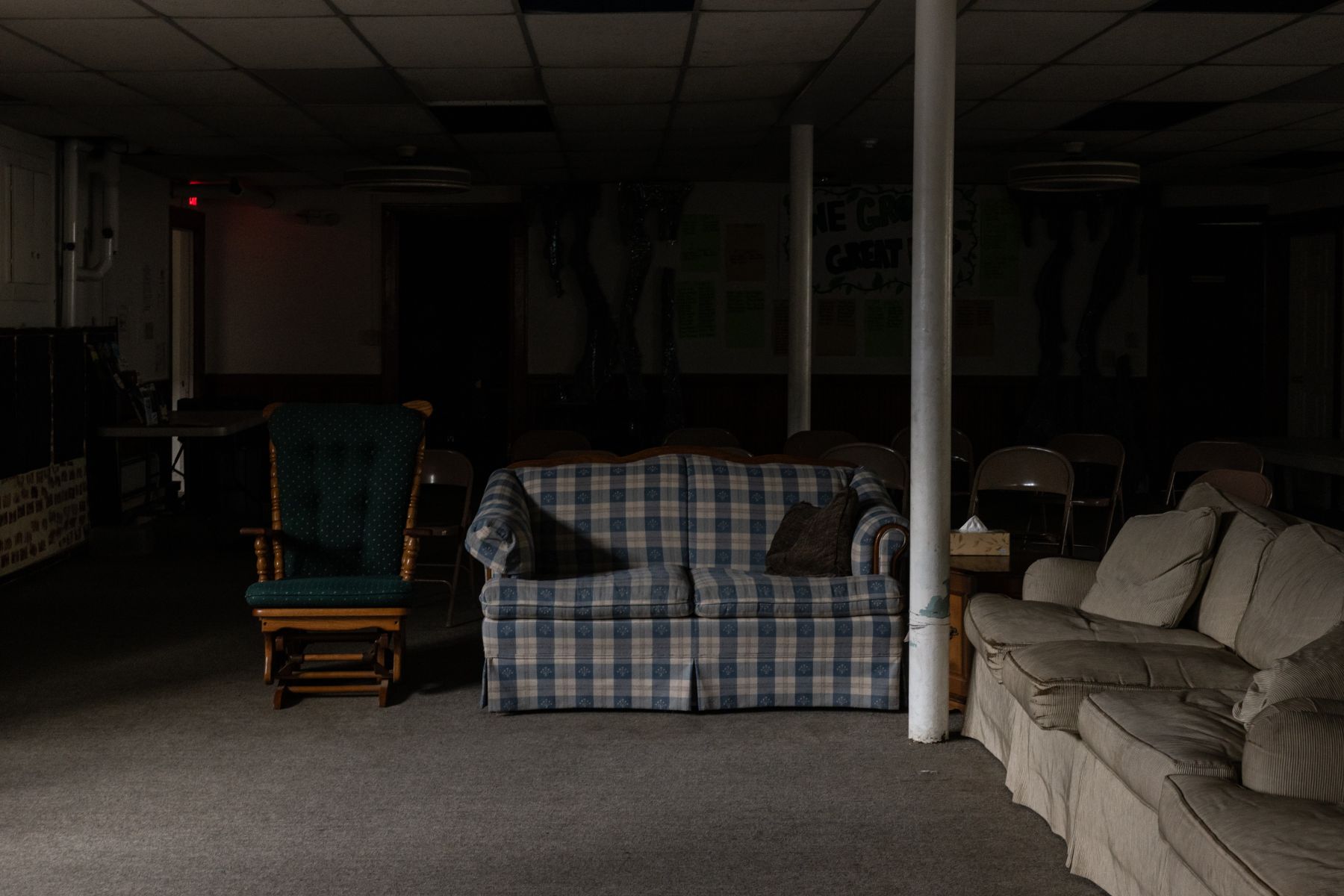
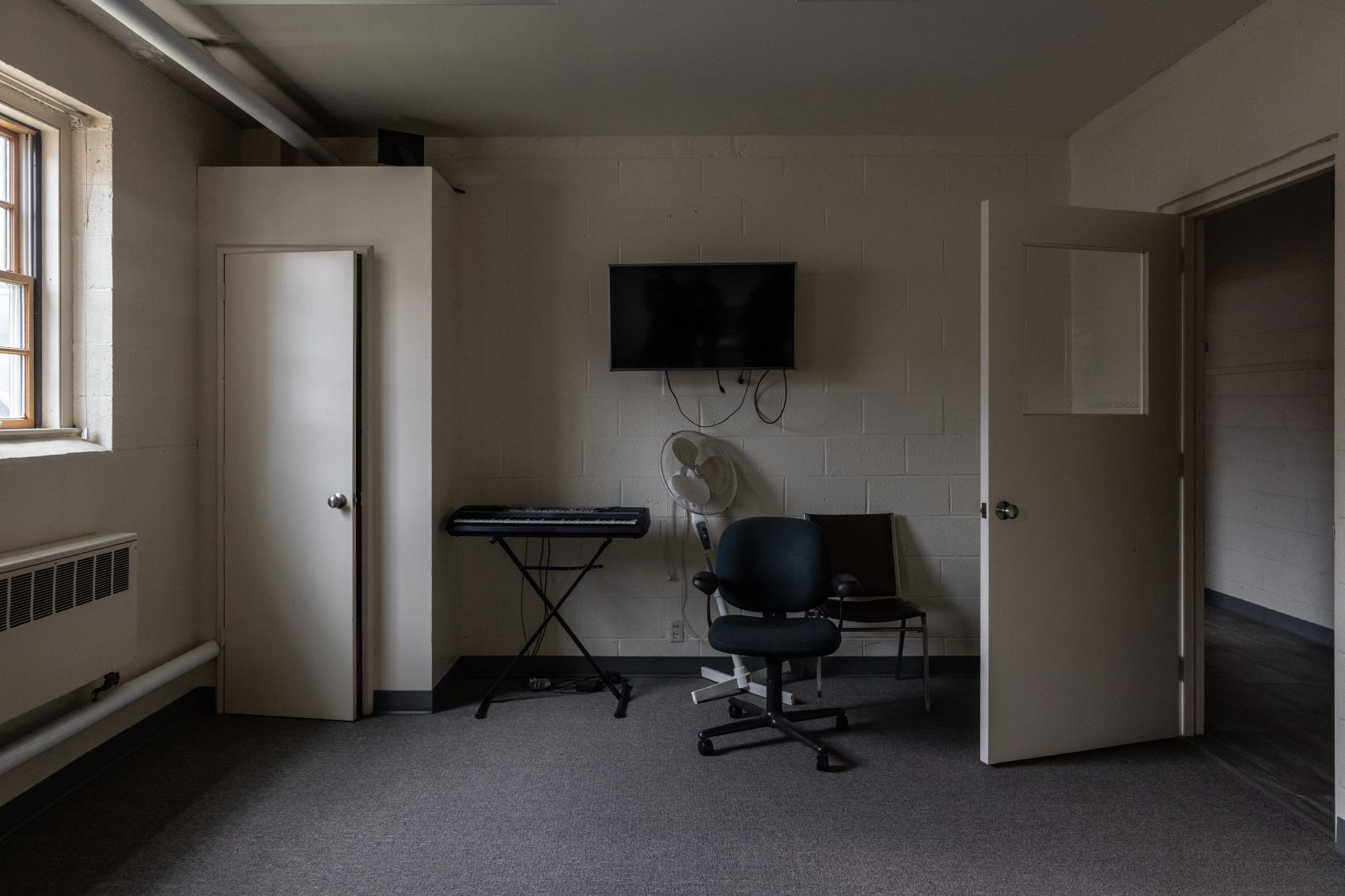
Ultimately, Condon decided she wanted to move away from Farmington. She knew it would be difficult to be away from her parents and kids, but she decided she needed a fresh start and some distance from the places where her addiction had been at its worst.
A week or so after she was released, Condon called Close to ask for help getting her release paperwork. She told him she wanted to continue the injections so that she wouldn’t start using again, Close recalled. He helped her sort out the paperwork so that MaineCare could confirm her coverage and Better Life Partners could schedule her next injection at her local Shaw’s pharmacy. All she had to do was show up.
After spending time in five different jails and trying several different approaches to addiction treatment, Condon said this experience was unique.
“I think the biggest thing with Franklin County is that it’s such a small community,” she said. “They have the time, they have the people and they have the resources to help you.”
With a capacity of 39 people, the Franklin County Detention Center is the third-smallest jail in the state. The largest, in Cumberland County, can hold up to 625 people.
The 52 days Condon spent at the Franklin County jail, and the support she has gotten since then, set her on a new path: She moved in with a friend in New Hampshire and recently started cosmetology school. She regularly attends Alcoholics Anonymous meetings at Recovery Church Portsmouth, which is associated with a national network of churches that follow 12-step programs. She is still getting the monthly shots and celebrated a year in recovery at the end of May.
Condon saw her eldest daughter, now 18, for the first time in five years last Christmas. She prayed every day after that her daughter would invite her to her high school graduation.
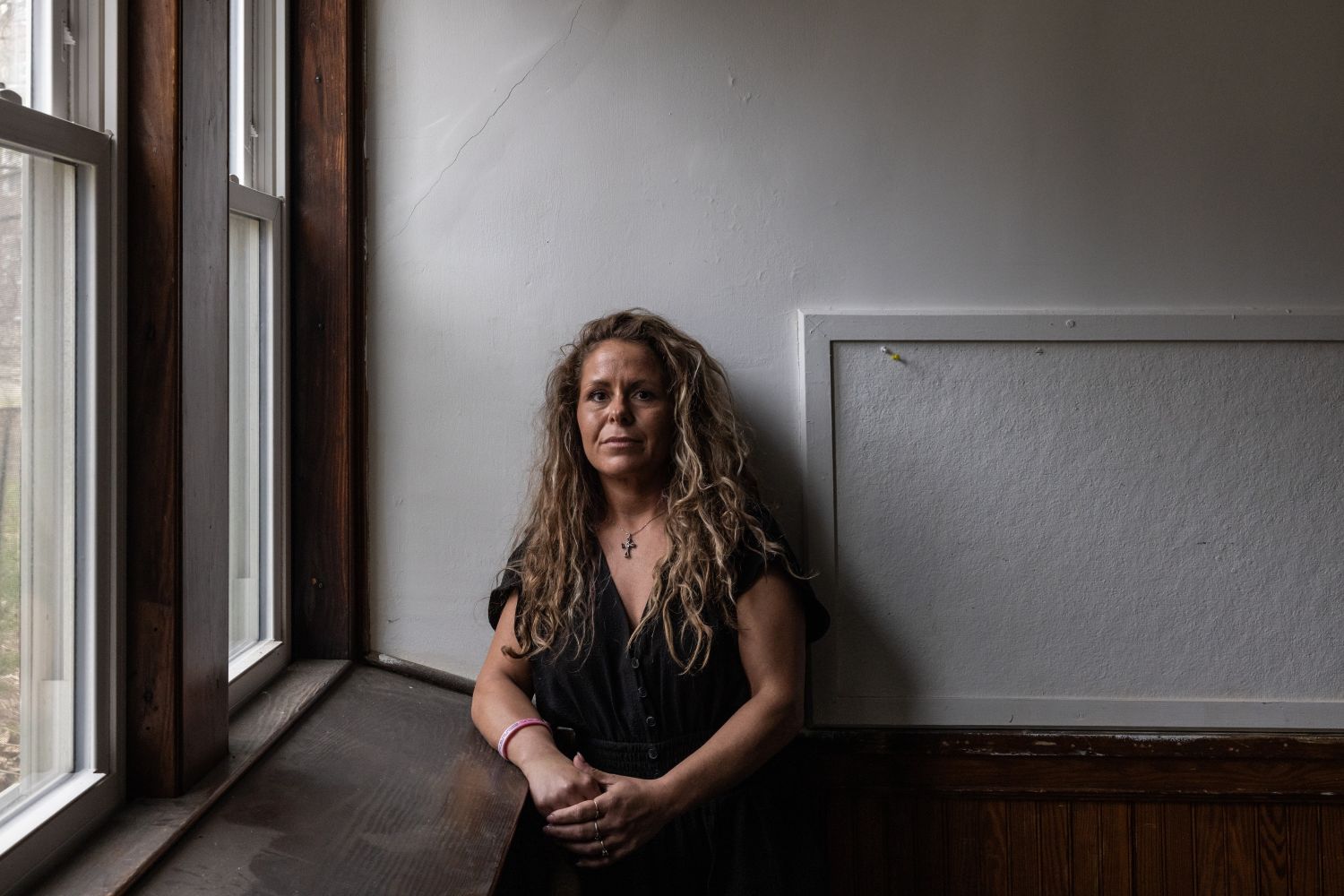
In June, Condon watched from the stands as her daughter received her diploma.
“It’s honestly an honor,” she said, “because it’s something I didn’t earn.”
Condon’s daughter graduated with honors and has a scholarship to attend nursing school at the University of Maine at Augusta. Seeing her daughter surrounded by family new and old at the graduation ceremony made Condon feel like she had done something right, despite it all.
“I couldn’t be more proud of her,” she said. “The second they started playing that dumb graduation music, I started to cry.”
Correction (7/22): The Franklin County jail is the third-smallest in the state, not the second-smallest as previously reported.