



Candidates for Maine governor are advancing aggressive proposals to cut property taxes after a legislative task force recommended mild changes that are unlikely to yield quick results.
The Legislature formed a task force last year in a bid to address growing taxpayer discontent across the state. It focused primarily on increasing the Homestead Exemption and more vague ideas, including pushing for local consolidation and more state funding for jails.
The group could propose firmer changes by late 2026. Weeks later, Maine will have a new governor to replace term-limited Democrat Janet Mills.
Many of their plans echo the strains of economic populism among Democrats and Republicans that have swept many parts of the country since President Donald Trump returned to office.
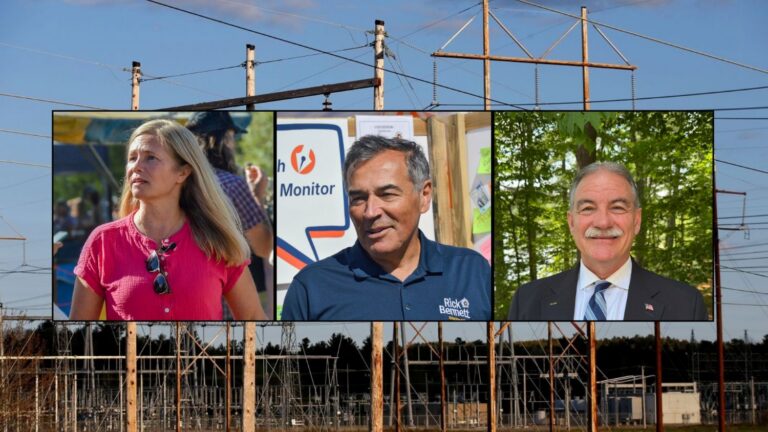
For example, Secretary of State Shenna Bellows recently proposed a property tax freeze for Mainers paid for by a higher tax on second homes for out-of-state residents. Her Democratic rival, former Maine public health chief Nirav Shah, wants to extend the exemption to all year-round residents and increase it drastically. Both candidates support a millionaire tax.
Republican frontrunner Bobby Charles has pledged to abolish the state’s income tax and slash property taxes, although the details are scant. Another challenger, state Sen. Jim Libby, promised to double the homestead exemption for seniors alongside a 20% income tax cut.
Any reform plan will have to make it through the Legislature to become reality. While politicians in both parties are eager to be seen as responsive to Maine’s heavy property tax burden, the plans coming out of the governors’ races may face resistance in Augusta.
Bellows’ plan to raise taxes on property owners who do not live in Maine could bring in revenue and capitalize on local resentments against seasonal visitors “from away.” But it could also weigh down the tourist trade and may run afoul of the Maine Constitution, which says property taxes must be “assessed equally according to the just value” of property.
“I’m not in favor of increasing taxes on anyone at the present time,” said Rep. Bob Nutting, R-Oakland, who sat on the legislative task force. “I think the state government has access to more than enough taxes.”
Shah sees his plan for a broader homestead exemption as an easier lift. Changes are easier to implement, and he said it avoids the risk of litigation that comes with a possible tax on out-of-state residents. Legislators and candidates in both parties are already considering using the mechanism for greater tax relief, he noted.
“What we need are solutions that are actionable, quick and that will pass the various legal challenges that might be mounted against anything that would endeavor to lower property taxes,” he said.
Charles also supports a drastic increase in the homestead exemption, specifically for seniors. But he has already promised to phase out the income tax, which provides roughly half of the state’s revenue. New Hampshire and other states have no income tax, but they make up the gap with higher property taxes.
Charles said he also hopes to cut by eliminating unfunded mandates on municipalities, leveraging federal dollars and generally revitalizing the economy. Some on the tax task force are skeptical about such dramatic change in either direction.
“You can’t reduce all the taxes and still have government function,” Nutting said. “The government has to continue to function, and ultimately, it’s up to the voters to decide who’s right.”