



Grappling with a $1.2 million budget shortfall, Wabanaki Public Health and Wellness notified staff Friday that it will shut down its detox center due to a lack of state and federal funding.
The Cedar Road Detox Facility in Bangor has 10 beds and serves about 500 clients annually who are detoxing from opioids, alcohol and stimulants. It serves both Indigenous and nonindigenous clients, including those with MaineCare.
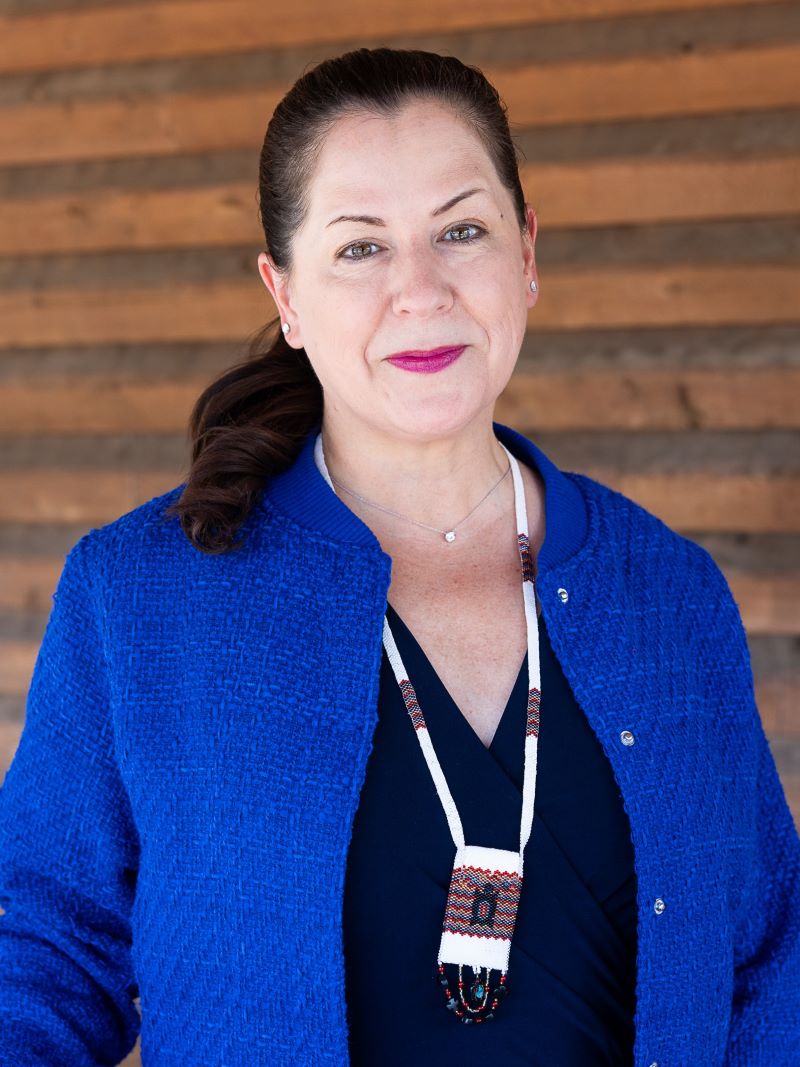
Lisa Sockabasin, co-CEO of the health organization, said the detox center would stop admitting new patients as of Friday, Oct. 30, but allow current patients to stay until it is appropriate to discharge them. She said she expects all the beds to be empty by the end of next week.
On Friday, Wabanaki Public Health and Wellness informed 25 employees that they would be laid off. This comes a month after the organization laid off another 20 staff members.
“It was hard for them,” Sockabasin said. “They are people who truly believe, not just in their work and what they do every day, but they’re the ones that know the harm that’s going to be caused by not having these beds available to people.”
The organization may have to consider additional closures, such as its recovery housing, Sockabasin said.
The medically-assisted withdrawal program costs $3 million per year to operate but typically receives $1 million in state reimbursement. Wabanaki Public Health and Wellness planned to make up the difference with federal grants and other revenue.
“Up until this year, we’ve been able to find federal funding, as well as other funding — philanthropic and private donors — to meet that gap,” she said.
However, in early 2025, the Trump administration halted a swath of federal grants, and the agency could not access the federal dollars that paid for more than half of its operations. Wabanaki Public Health and Wellness said at the time that it did not have other resources to make up for that loss.
Sockabasin said her organization was able to eventually claw back some of the federal funding, which took time and resources away from other work and ultimately did not provide enough to maintain operations.
Then earlier this year, the federal government delayed opening up grant applications. When it finally did, there was so much interest that it “flooded the system,” Sockabasin said, because so many organizations like hers had lost other grant funding. Each federal grant can take more than 40 hours to compile, she said. Wabanaki Public Health and Wellness submitted 12 in one month. Sockabasin said her group received some but not all of these grants.
Wabanaki Public Health and Wellness primarily serves four federally recognized tribes located in five communities: the Houlton Band of Maliseet Indians, the Mi’kmaq Nation, the Passamaquoddy Tribe at Indian Township, the Passamaquoddy Tribe at Pleasant Point, and the Penobscot Nation.
It provides medication-assisted treatment services, case management, a peer-run recovery center, housing security and support services, HIV testing, a home visiting program for Indigenous children and families, and other public health programs.