


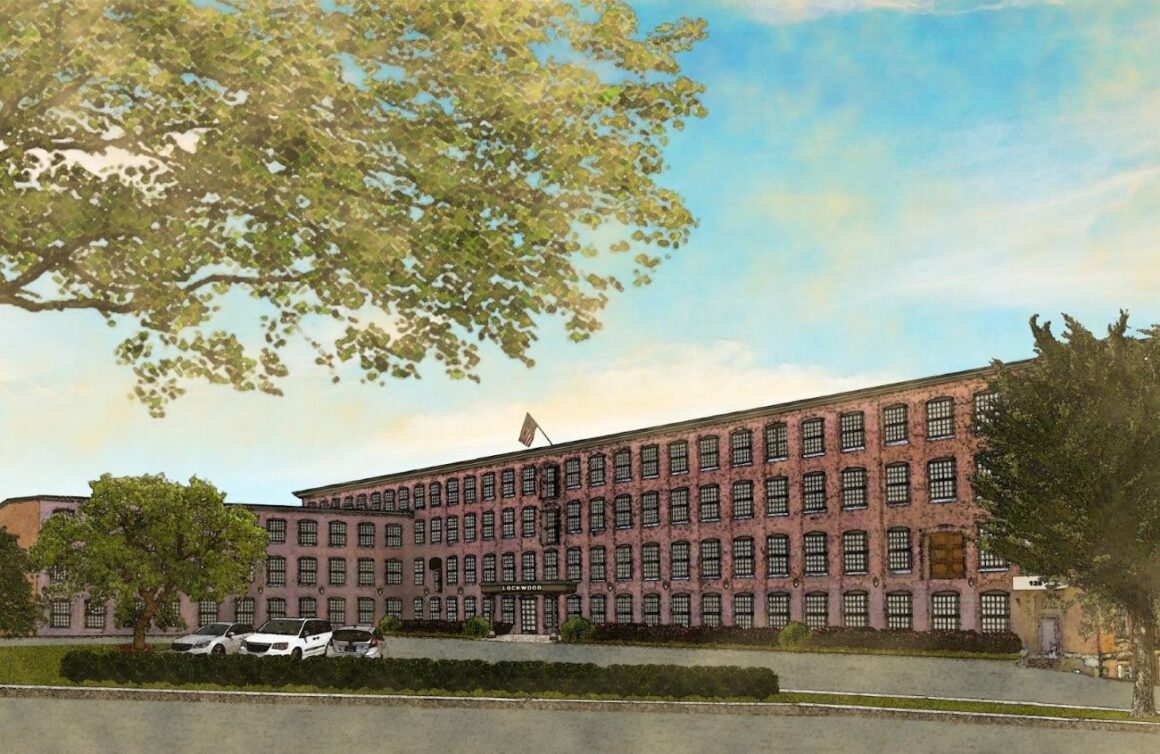
WATERVILLE — North River Co. has secured funding and launched Phase II of the Lockwood Mills redevelopment on Water Street in Waterville.
Phase I of the $40 million project converted about 65 percent of the Lockwood Mill complex into 65 residential units — some already occupied — along with 4,000 square feet of street‑level commercial space.
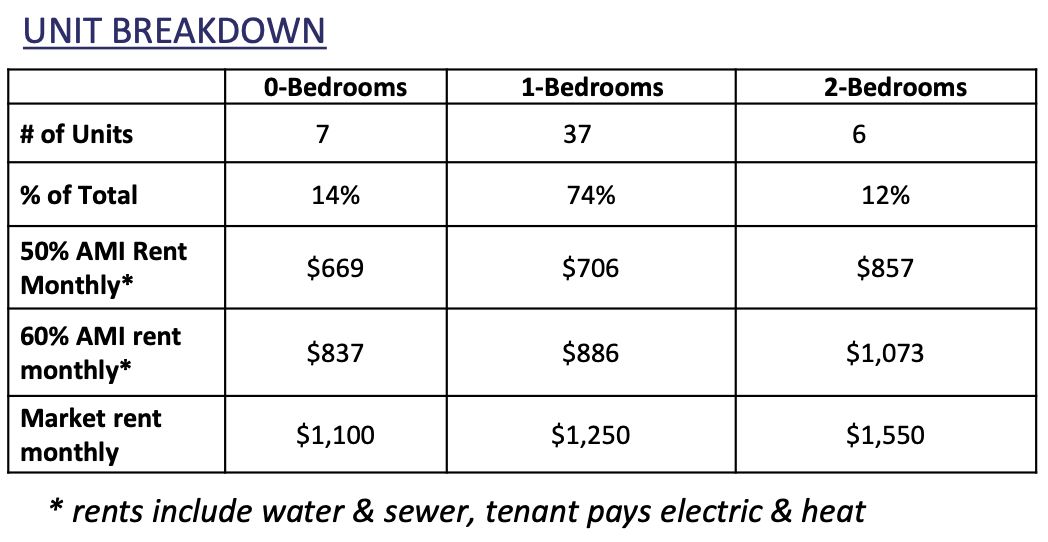
Phase II is expected to redevelop vacant portions of the former Marden’s Surplus & Salvage building into mixed‑income housing for seniors and older adults. Plans call for 10 market‑rate units and 40 affordable and workforce units, adding 50 more homes to the downtown.
The Lockwood Mills redevelopment is part of more than $200 million in recent downtown investment funded through public and private sources.
“Waterville’s downtown urban core is experiencing a historic renaissance, defined by a growing profile of new enterprises, robust real estate transactions, and surging visitorship,” North River Co. said in an Aug. 30 press release.
North River Co. LLC, a New York‑based real estate investment and management firm specializing in historic mill conversions, is a core part of the project team. Partners include Platz Associates, a Maine architecture firm focused on affordable, market‑rate and adaptive‑reuse housing; Dovetail Consulting, a Maine affordable‑housing consultant; Haley Ward, a Bangor‑based civil engineering and planning firm with multifamily development experience; and Woodward & Curran, a Maine‑based environmental engineering firm.
The project to renovate the nearly 200‑year‑old buildings emphasizes affordable housing to support workforce retention. The initial 65 residential units include one‑, two‑ and three‑bedroom options, including workforce and affordable homes tied to median family income.
The Waterville Housing Authority manages the property for North River Co., including leasing.
“Housing is essential economic infrastructure, and this development directly supports the unprecedented growth and talent attraction we are seeing across the mid‑Maine region,” said Garvan D. Donegan, president and chief executive officer of the Central Maine Growth Council. “With over $200 million invested in downtown Waterville in recent years, our core district is being transformed into a premier destination for community, business, livability and investment.”
Earlier this month, representatives from the development team presented Phase II details to the City Council, including the plan for 50 additional housing units for older residents.
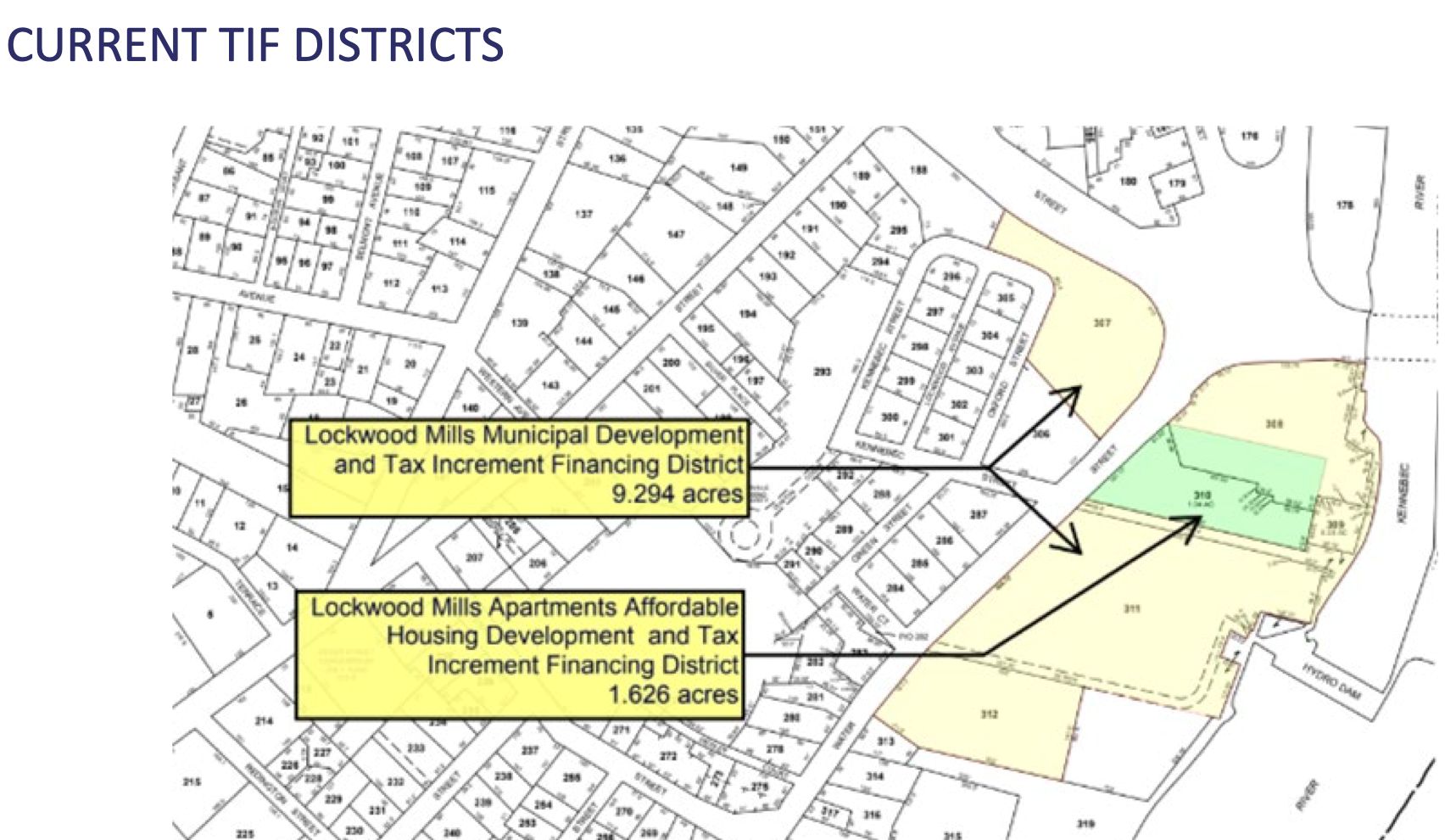
The presentation to the council included an amended tax increment financing, or TIF, request to create a separate credit enhancement agreement, or CEA, for Phase II of the project.
The development team is asking for a 75 percent CEA over 30 years to help leverage additional long‑term financing from the Maine State Housing Authority.
According to the presentation, aligning the TIF term with the project’s debt would prevent a cash flow “cliff,” and CEA proceeds would not go to the developer or increase fees.
The development team also said MaineHousing awards tax credits and subsidy resources using a scorecard, and the amended TIF would improve the project’s score. It added that it likely will not meet the deadline for a score change because MaineHousing’s cutoff is Sept. 17 and the agency requires 30 days to review.
The council’s first reading of the proposed amendment took place Aug. 18.
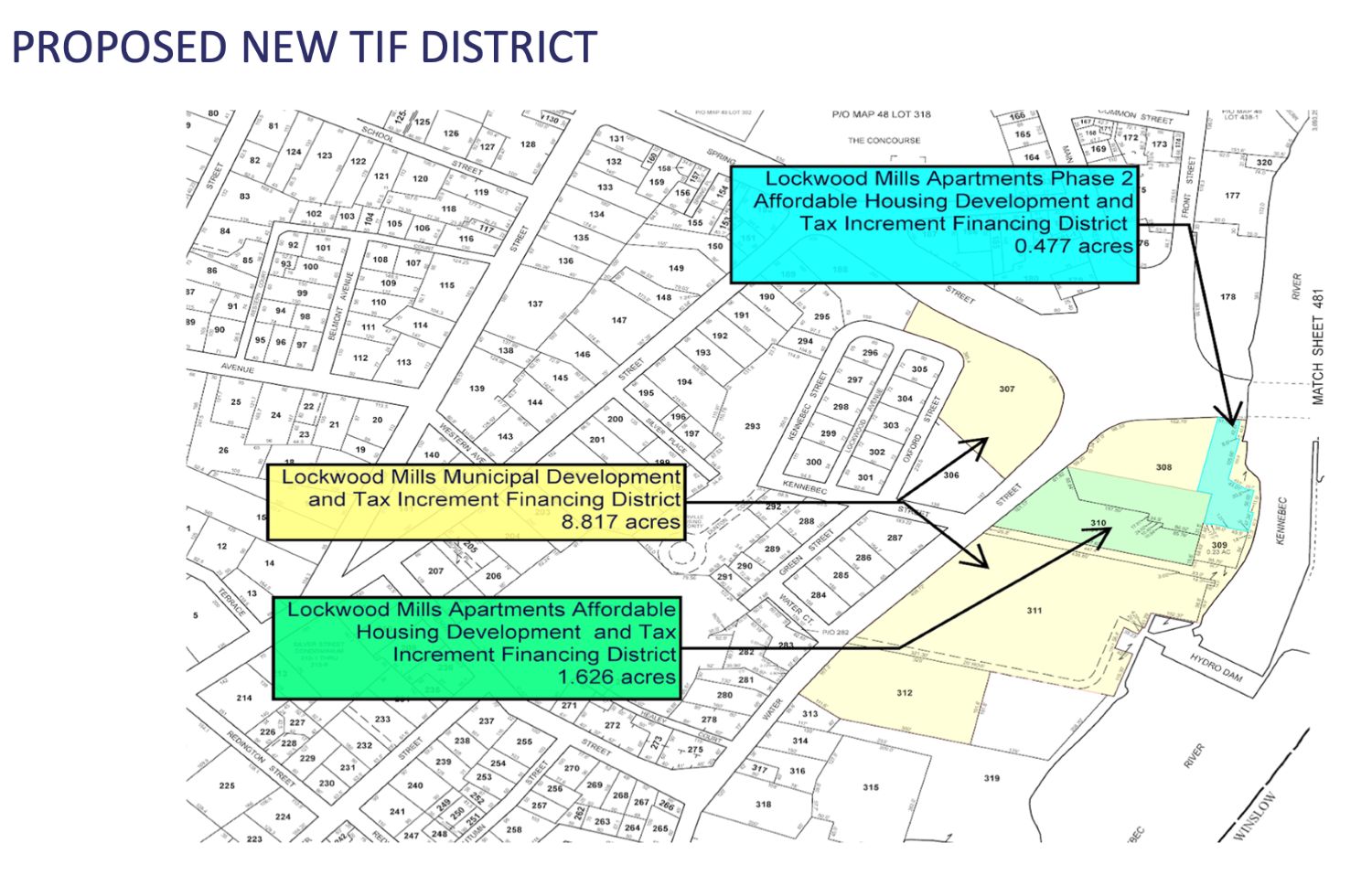
The presentation also included a full breakdown of the development budget, which totals close to $22 million, with financing sources covering the entire amount. The largest single funding source is affordable housing tax credits at more than $10 million. Total project income, with the requested CEA, is projected at $570,412, with net operating income estimated at $208,260.
The development team is expected to submit the plan and grant applications Sept. 7 and could be notified of awards in November or December. If all goes well, construction could begin in about a year, in late 2027, and would take an additional year to complete.
“This project is a prime example of how adaptive reuse can breathe new economic life into historic infrastructure,” said Dan Jacques, director of Maine Operations at North River Co. “By blending essential, modern housing with a street‑facing commercial space, we are incredibly proud to build upon Waterville’s momentum and deliver such high‑quality affordable housing.”