



Maine has largely neglected a heating fuel made from forestry waste that could help the state fulfill its ambitious goals to replace its nation-leading reliance on oil, instead focusing almost exclusively on electrification.
Two startup companies in Maine said the new biofuels they plan to produce in about two years will heat homes and businesses with less carbon output at about the same price as conventional oil. Biofuels also represent a new market for tree tops, bark and other forestry refuse that paper mills once bought but now lie useless on the ground, releasing carbon dioxide as it decomposes and posing a fire risk.
But Maine has done little to promote the industry, setting the state apart from most others that have embraced other forms of biofuels to reduce carbon emissions. That omission has drawn criticism from industry officials and environment experts who believe Maine needs a more diverse strategy in order to meet its emission goals.
The state’s current decarbonization plan relies almost exclusively on electrification and does not include biofuels. Lawmakers have a mixed record of supporting measures to get new biofuel companies going. None have succeeded, including a $40 million bond bill to invest in biofuels. Both chambers approved a bill to use tax credits this spring, but it never became law because the legislators denied the funding to implement it. A co-sponsor plans to reintroduce the bill.
Environmental advocates worry about relying too heavily on electrification, including heat pump subsidies, to meet the state’s climate goals given rising power costs, while the state argues it may be too early to commit to biofuels.
“It is past the time for public policy to recognize that biofuels are one emerging and potentially very significant opportunity for Maine’s environment and economy,” said Eric Kingsley, vice president of Portland-based renewable energy consultancy Innovative Natural Resources Solutions, which advises one of the new biofuels companies. “The climate crisis is large enough that we really need all the available means to address it.”
Maine has a goal of reducing greenhouse gas emissions by 45% by 2030, and Gov. Janet Mills has heavily promoted heat pumps to achieve those targets. Her administration has credited heat pumps with helping reduce the state’s total emissions by 30% since 1990. Oil use fell to 50% of Maine households in 2022, down 12% since 2018, mainly because of heat pumps, according to state data.
Wood-based biofuels, while a promising way to drive innovation in the forestry market, are in too early a stage to commit to them yet, a spokesperson for the Maine Department of Energy Resources said.
“Biofuels remain an emerging technology, and cost and scaling challenges have limited broader adoption to date in Maine,” said spokesperson Afton Vigue.
The department is currently updating its energy plan for 2027 and is open to considering biofuels, Vigue added. It is seeking public input on the plan now.
Even those who support electrification worry that lawmakers aren’t considering the full scope of what is needed to meet Maine’s energy goals. Electricity prices alone rose 55% from 2014 to 2024, the third-highest rate in the country, according to an analysis by The Maine Monitor, making it more expensive to run heat pumps.
“I think now is a tremendous time to try to advance the cause of biofuels,” Charlie Summers, CEO of the Maine Energy Marketers Association, recalled telling state regulators a year ago. “But that fell on deaf ears.”
Biofuels supporters also said that low-income households may not be able to afford the upfront costs of heat pumps. The state has helped promote heat pumps with subsidies, time and resources on electrification while ignoring biofuels, said Jacob Posik, director of legislative affairs for the conservative Maine Policy Institute. He does not support subsidies.
Maine currently is behind almost all other U.S. states, which use biofuels to some degree for heating. New York, Connecticut and Rhode Island already mandate that home heating be blended with biofuels, and each of them is gradually scaling up the percentage of biofuels used.
The biofuel start-ups here would be the first to use wood waste, making the state a leader in that new technology, environment experts said. Other U.S. states rely on corn, soy and waste cooking oil, which eats into the food supply. Some 30% or more of corn oil goes to make ethanol. About half of the soybean oil goes to make biodiesel, according to federal data.
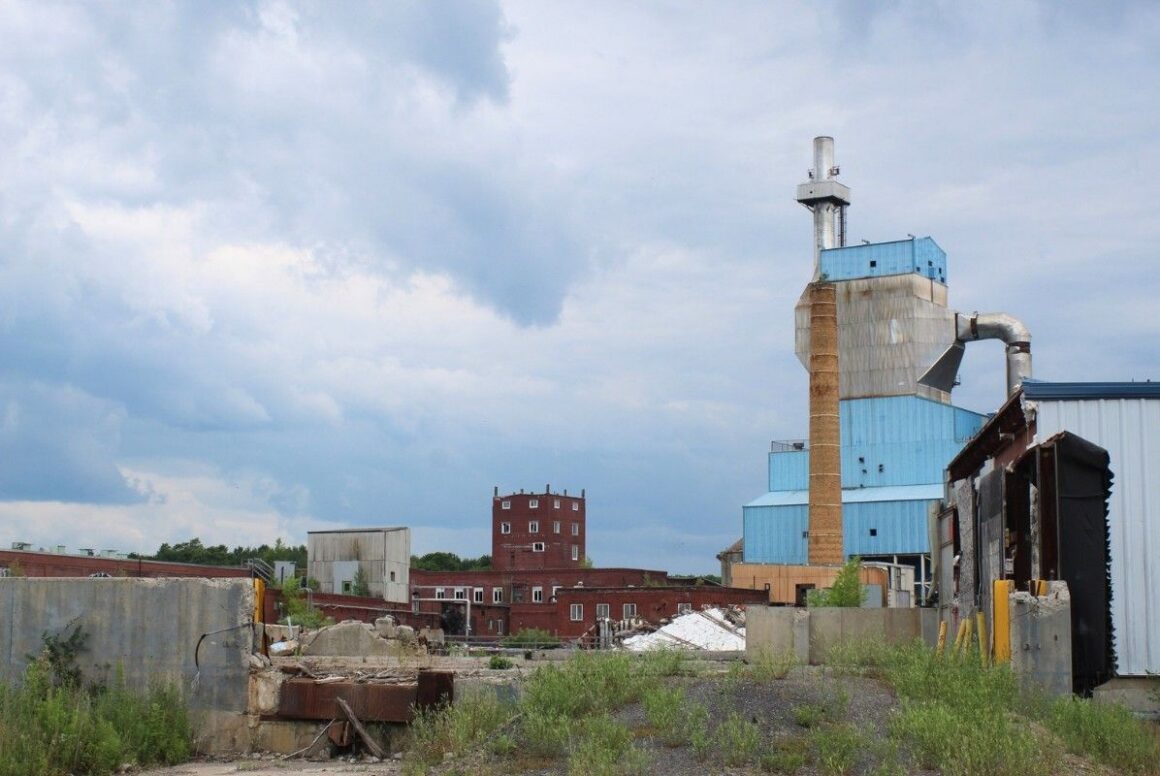
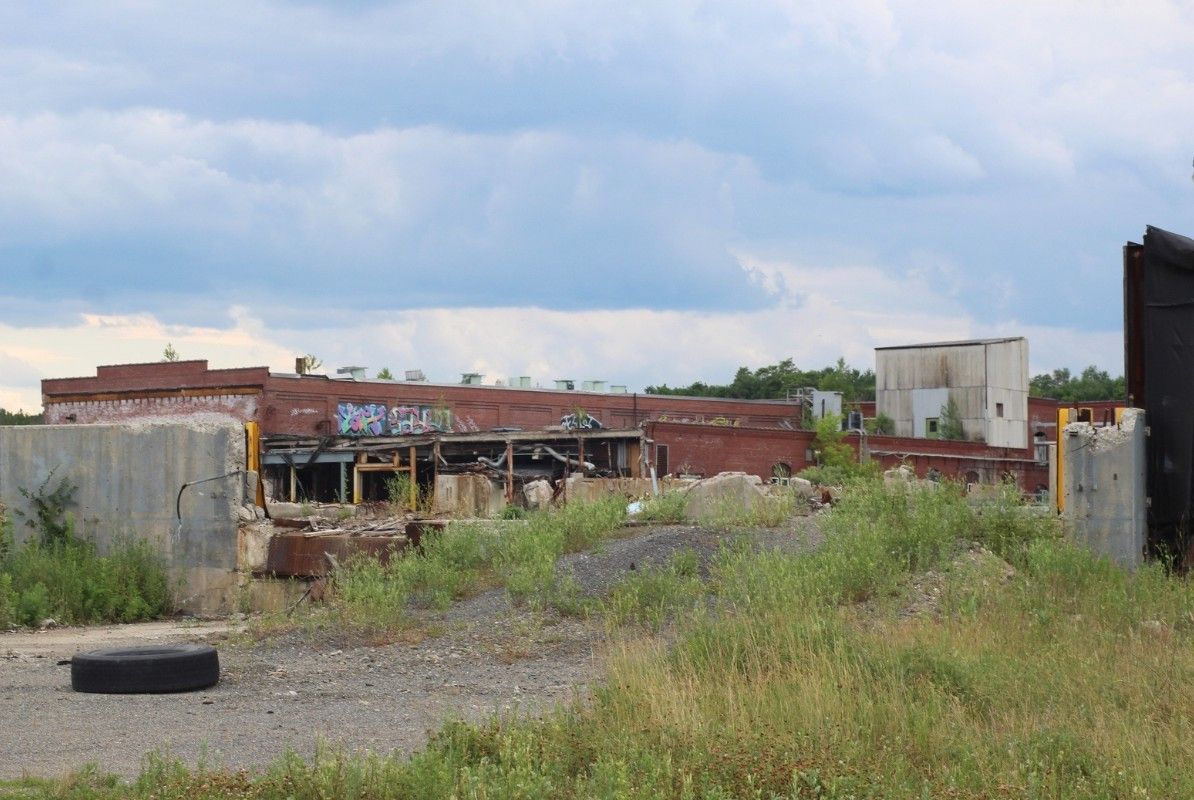
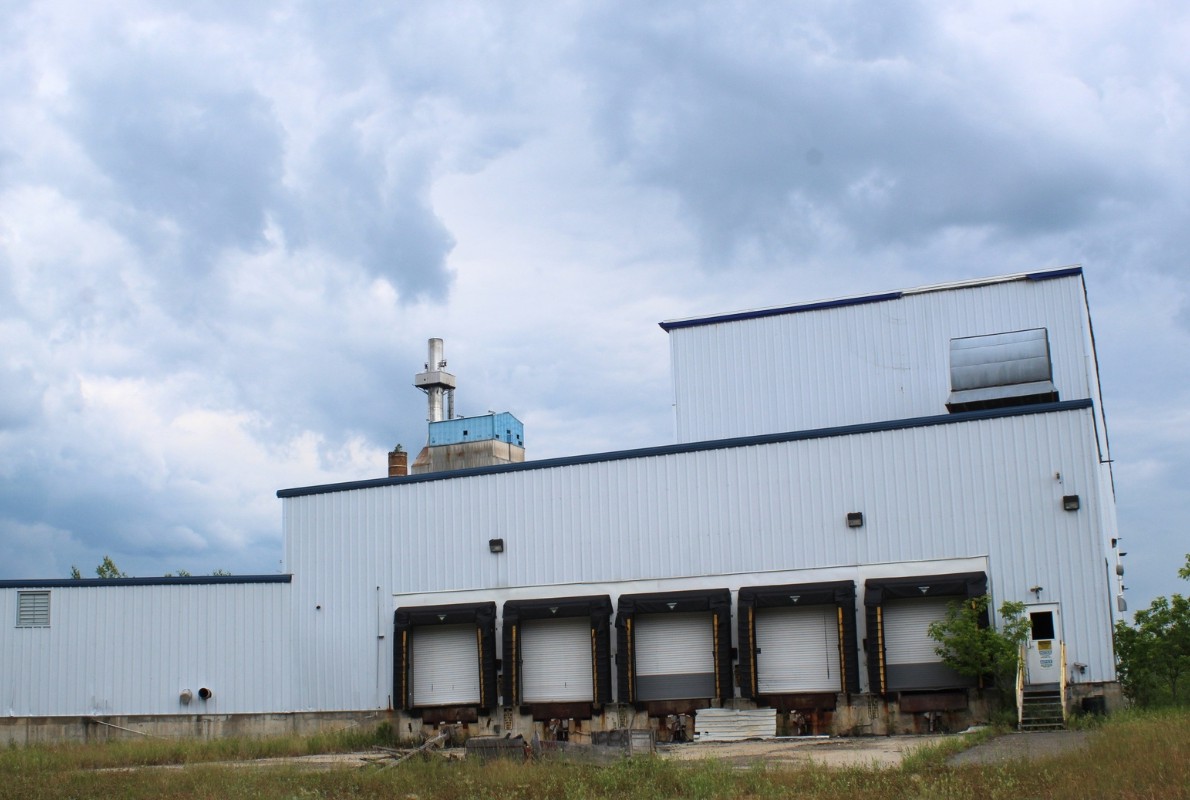
Startup Castlerock Biofuels plans to produce about 20 million gallons per year of biofuel on the former Great Northern Paper Mill property in Millinocket, while Biofine Developments Northeast aims to make about half that amount at its forthcoming plant at the former Lincoln Paper and Tissue Mill. Both companies’ fuel can be blended with oil or used at full strength.
With investment and government support for their industry, biofuels makers could make a meaningful dent in replacing the 250 million gallons of oil that Mainers use to heat their homes each year, said Kingsley, the consultant working with Castlerock.
Bates College has heated its Lewiston campus with biofuels since 2016. Supply interruptions with wood-based fuel from Canada led the school to switch to a backup made in Massachusetts from recycled cooking oil. It has discussed switching to Castlerock’s wood-based product, according to Tim Pratt, the college’s director of facilities services operations.
Even though wood-based biofuels are new, Castlerock and Biofine have put their products through extensive testing. They already have buyers for all of the biofuels they will make. Castlerock would not reveal its distribution partner. Biofine has an agreement with Sprague Operating Resources, one of the largest heating oil distributors in the Northeast. That company is growing the amount of renewable fuels that it sells.
“Biofuels are one of the most immediate, practical tools Maine has to reduce emissions,” said Kevin Grant, Sprague’s director of renewable fuels. “Because Maine relies heavily on heating oil, waiting decades to completely overhaul infrastructure or fully electrify the grid presents massive logistical and financial challenges for residents.”
Biofuels are “drop in” solutions that can replace oil easily, said Mike Cassata, chief development officer at Biofine. They work with existing heating systems, transportation and terminals, so it isn’t necessary to build the expensive infrastructure needed with alternative renewable energies like solar and wind.
Maine currently imports at least 80% of its heating oil from eastern Canada, according to federal data. Biofuels don’t freeze and will be cheaper than some existing fuel. Kerosene, which mobile home residents rely on, is about $1 per gallon more than heating oil, state pricing data show.
Biofine may also reestablish life-sustaining wages in the wood products industry in Lincoln, whose paper mill stopped operations in 2015 after being crippled by a fire, something that excites Ruth Birtz, the town’s economic development administrator.
“It also speaks to sustaining the wood products industry, which is the primary employer in this region because we have so many logging operations,” Birtz said.
Some 90% of Maine’s land is forested, a statistic that attracted Castlerock CEO John Murphy. There also are two former paper mill sites in Millinocket and East Millinocket that used the same “feedstock” from the forest as Castlerock will use.
“We looked for places where we could manufacture the oil that are in wood baskets and where there are private partners that want to fill us with forest residue and where there is demand for our renewable heating oil product,” Murphy said. “There’s also interest from federal legislators to develop those former sites into useful production areas that can restore some tax base to Millinocket.”