



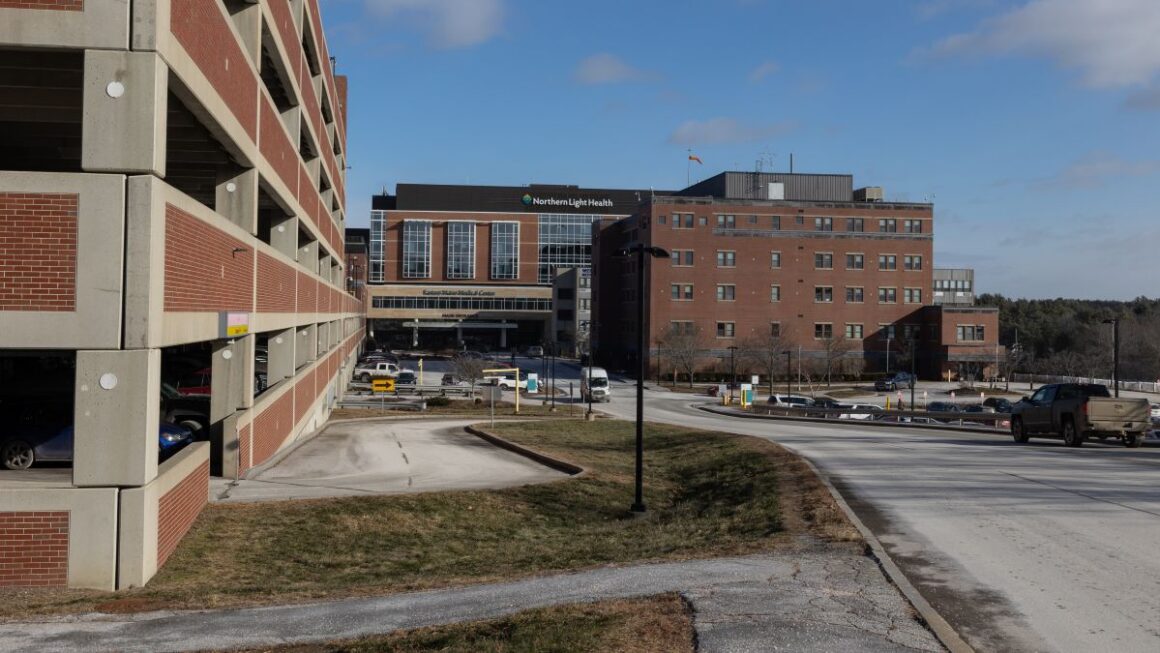
Northern Light Health’s bond rating was updated from “negative” to “stable” today as the state’s second-largest health system tries to claw its way out of a downward financial spiral.
S&P Global Ratings kept the rating for bonds issued for Northern Light Health at ‘BB-‘ but upgraded the outlook. Northern Light Health’s previous bond rating from S&P was BB- with a negative outlook, rather than a stable outlook.
The revision reflects improved performance in fiscal year 2025 and the first quarter of fiscal year 2026, according to the rating upgrade report.
“This is good news that a rating agency like S&P has recognized that the efforts we are taking to address significant financial headwinds are moving our healthcare system in the right direction,” wrote James Rohrbaugh, executive vice president and chief financial officer of Brewer-based Northern Light Health, in a statement.
A BB credit rating suggests Northern Light Health is less vulnerable in the near term but still faces major ongoing uncertainties, according to S&P.
“This rating reflects a speculative nature, suggesting that the entity may be more impacted by economic downturns or other adverse conditions. While BB-rated entities might currently manage their obligations, investors should be cautious due to potential volatility,” according to S&P.
A recent story by The Maine Monitor found that the system’s flagship hospital, Northern Light Eastern Maine Medical Center, has contributed to financial challenges by losing more money than its more rural counterparts since 2022. In fiscal year 2024, the Bangor hospital’s losses made up half of the health system’s losses, which that year alone totaled $156 million.
But the system made changes in 2025 to reduce its reliance on expensive contract workers, reduce management contracts, recruit international nurses and reduce staff turnover, all of which contributed to an improved performance, according to the report.
“With a robust turnaround plan underway, NLH’s fiscal 2025 operating performance exceeded expectations, with the system meaningfully lowering its operating loss to near breakeven and creating sufficient cash flow to meet its debt service coverage covenant. While we view the overall improvement favorably, particularly with stronger performance at the flagship and continued healthy operating income at the second-largest facility, Mercy Hospital, the improvement was bolstered by $52 million of Federal Emergency Management Agency (FEMA) funds although there were some offsets such as one-time costs associated with closing Inland Hospital.”
— S&P