


Sharoan Cohen says moving her son back home from college at the end of the semester cost her about as much as a plane ticket.
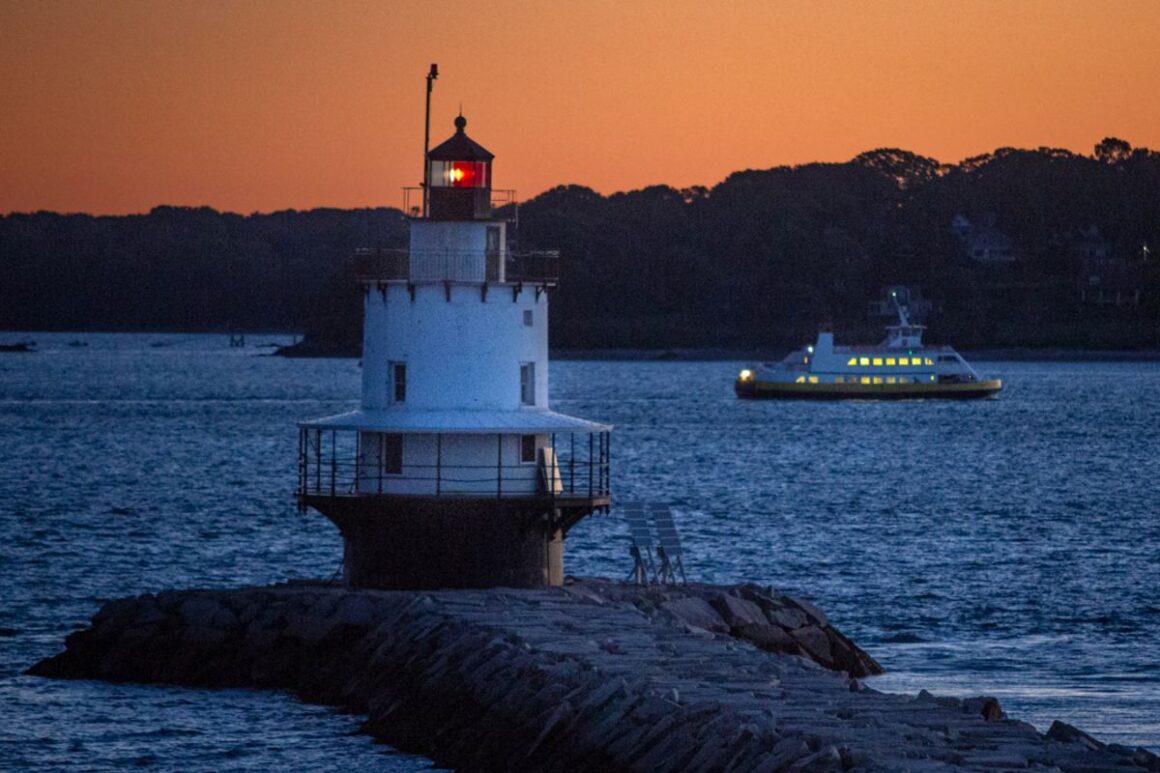
The expensive part of the journey was just a three-mile trip within Portland city limits: the car ferry ride from downtown to her home on Peaks Island.
Casco Bay Lines, which operates ferries to islands circling the Portland peninsula, hiked prices for Peaks Island car ferries last year. Maine’s ratepayer advocate — usually more focused on Central Maine Power Co. than island communities — is asking regulators to investigate the transit agency for failing to prevent a price shock from hitting residents.
A Monday news release from a resident group accused wealthy islanders of turning Peaks Island into a “gated community.” A car ferry can cost $170 during the peak season, though frequent travelers can get a pass that brings down the cost per trip.
Cohen and others say the problem for many locals is that they are not frequent travelers because they often generally stay on the island. When they need to drive to the mainland, they have to pay full price. She’s one of the dozens petitioning the Maine Public Utilities Commission to undo last summer’s rate increase for harming low- and fixed-income islanders.
But moving costs onto infrequent travelers also forces residents who do not commute frequently to the mainland to pay hefty prices.
“It diminishes the value of the stewards of the island, who live and work in the community, the artists, the students, the seniors, the infrequent travelers who build our community,” Cohen said.
In December, the Public Utilities Commission ordered the transit agency to report on how its rate increase will impact users. It submitted findings last month saying it expected relatively little impact on residents and was contributing $4,000 toward an assistance program.
In a May 29 filing, Public Advocate Heather Sanborn, a former Portland state senator who represents Mainers who pay utility costs, disagreed with Casco Bay Lines’ findings, saying it underestimated the number of income-limited islanders who were negatively impacted.
Her filing said 59 Peaks Island households are in poverty, while another 118 have “constrained” incomes. Together, that’s more than a third of the island’s households. Members of the Casco Bay Islands Transit District board, which sets fares for Casco Bay Lines, could not be reached for comment.
It’s unclear if a regulatory investigation into the car ferry fare increase could impact the transit district’s next change, an increase on passenger fares due to hit on June 20. Pushing the cost of running the ferry onto infrequent users could help shift the financial burden away from many residents and onto tourists because the island is known as a day-trip destination.
“There are people who really don’t like that, and one way to curtail [tourism] is to make it so that it’s not cost-effective for somebody to come out to vacation,” year-round resident George Purtell, who travels frequently and gets a discount on his ferry pass for being a senior, said.