


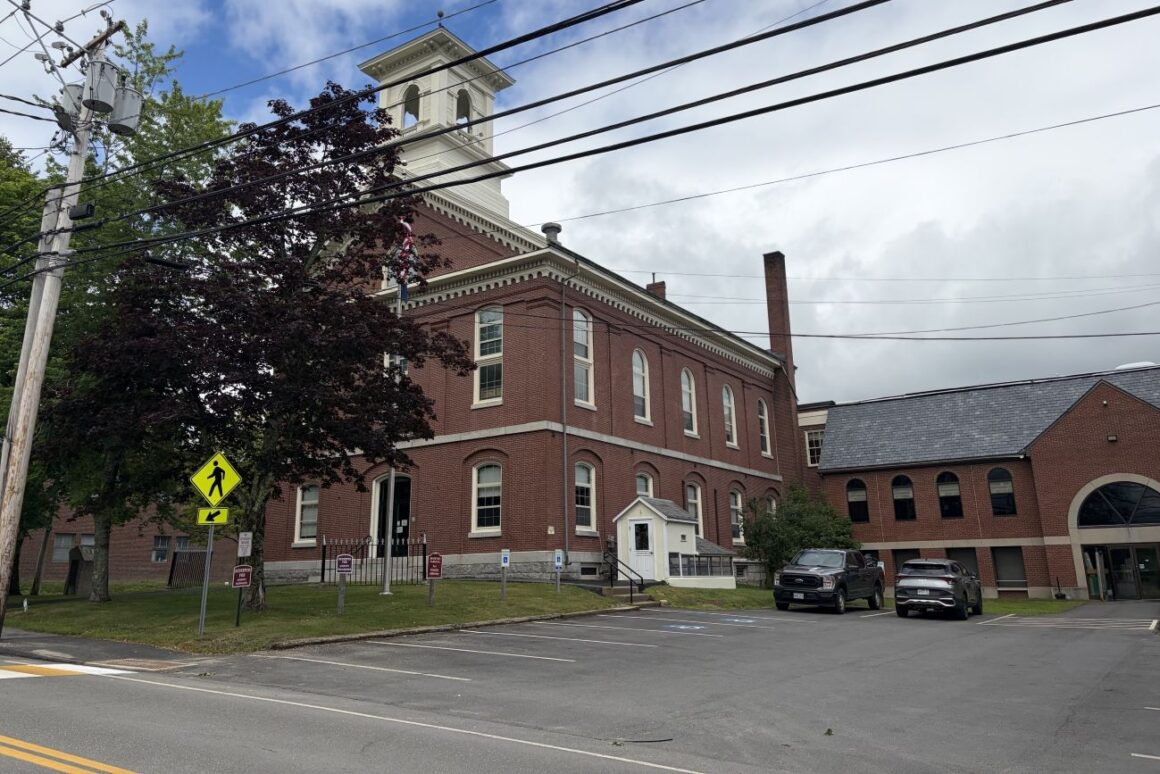
MACHIAS — In the first of a series of meetings to develop the 2027 budget for Washington County, commissioners voted Wednesday to stop surveying municipalities for property growth factors that are used to establish property taxes.
L.D. 1, which limited increases in property taxes to the growth of Maine’s average personal income and each municipality’s property valuation, was implemented in 2005 and repealed in 2024.
Towns were responsible for calculating property growth using recent property valuation data along with the average income growth calculated by the state economist each year, which was based on the percent change of personal income across Maine over the prior 10 years.
For instance, during the 2024 budget year, the state economist set the change in personal income at a 4.69 percent increase as estimated by the United States Department of Commerce.
Washington County has been surveying towns for years to get property growth factors, which are used to help guide county budgeting, but fewer and fewer towns are responding to those surveys as the years have gone by.
According to the county’s Finance Department, of the 45 municipalities surveyed in 2024, only 11 surveys were returned. In 2025, only 9 were returned and, last year, there were 5 responses.
Municipalities haven’t been required to report property growth factors to the state since 2024, which means the county can’t access the data any way other than asking municipalities for the data directly.
According to Washington County Finance Director Jenny Windsor, who was hired in April, the limited number of surveys present the county with skewed, unreliable and incomplete data, which she called “unusable” for the county’s purposes.
She recommended that the county stop surveying municipalities, which can be a time-consuming process for county staff, noting that other counties have already stopped collecting the data.
Commissioner Billy Howard said the data collection “in concept is a good idea, but if people aren’t responding” he didn’t see the point in continuing to ask.
Commissioners approved a motion to stop the surveys.
Commissioners also clarified votes they had taken in November 2025 and then in January 2026 that created conflicting requirements for the county’s department heads.
In November, commissioners banned any spending over $500 without approval from commissioners, even if that spending was in a department’s approved budget.
In January, commissioners approved a different requirement that any expenditures over $500 that were not already in department budgets must get commission approval, creating conflicting rules.
The Finance Department asked commissioners for guidance and, after a short discussion about how many approvals would be necessary for all spending over $500, which would include contracts and possibly vehicle purchases, commissioners voted to uphold the January vote to require commission approval for any unbudgeted expenses over $500.
Burns acknowledged there will be exceptions in emergency situations, like if a furnace shuts down and has to be repaired. But, he said, for larger expenses “even if they’re in the budget, we have to use common sense. Do we have the money or are we strapped?
Commissioner Courtney Hammond reminded department heads that any spending that can be deferred until after September when the county will start receiving tax payments from municipalities, should be deferred. Burns and Howard joined in that recommendation.
As part of Wednesday’s meeting, commissioners started initial budget preparations for 2027, including recommending a separate budget line item detailing what the county pays for tax anticipation note interest. Howard said he wants municipalities to see how much the county is spending to borrow money.
Since early fall last year, as the county has been working its way out of a $8 million debt, the commission has been encouraging towns to make tax payments more frequent than twice a year, which would help with cash flow and lower the need to borrow and pay interest.