


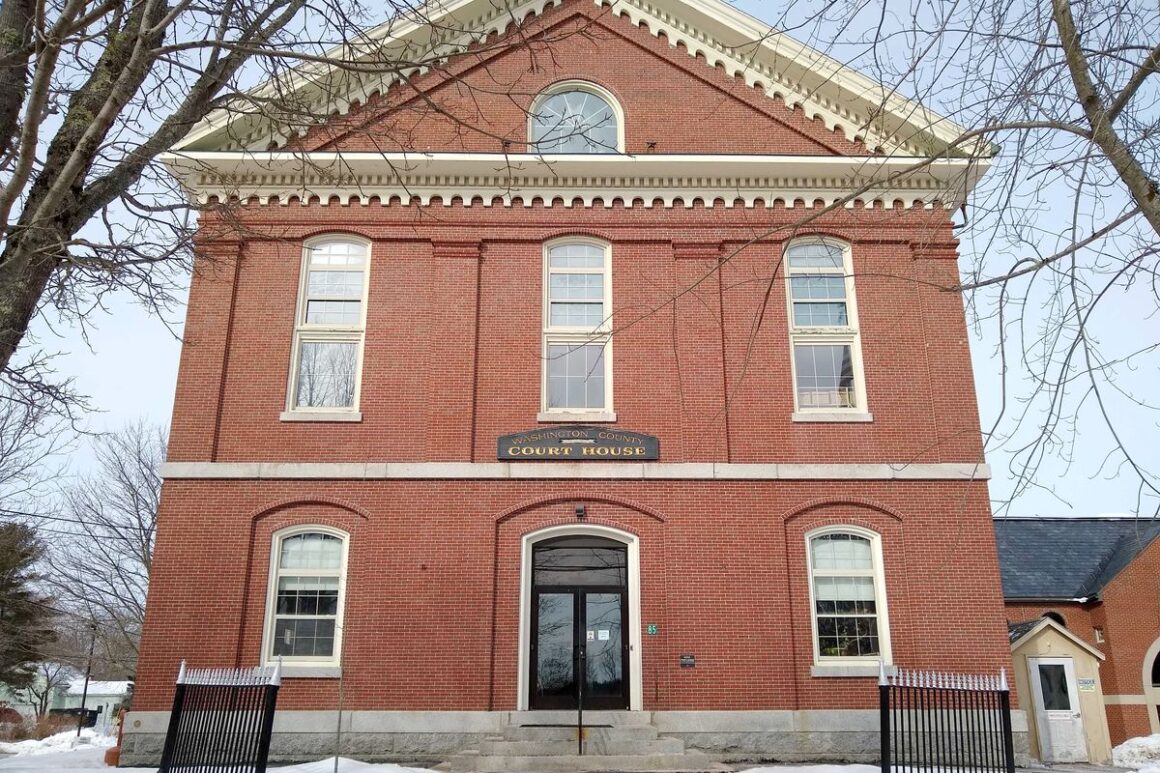
Washington County paid down a $8 million short-term loan that upended Down East politics for months and threatened to send the county into default, leaving them with little cash and limited time to strike a new agreement with the bank.
County officials said they paid Machias Savings Bank $1.9 million on Wednesday. The rest was covered by more than 30 towns after months of persuasion by officials. The county now has limited cash, but officials are aiming to finalize a new loan with the bank next week.
“We will all breathe sighs of relief” when the 2026 loan becomes available, County Manager Renee Gray said.
That will not be the end of the long financial crisis in Maine’s easternmost county. While the bank has agreed to provide the county with a new loan of $7 million in two installments, it comes with strict requirements.
By the end of June, the county must audit its books for 2023 and 2024, hire a full-time finance director, and provide monthly financial reports to the bank.
Completing two years of audits within the next four months will be a difficult task, as county audits often take well over a year to complete. The county included more resources for audits in its latest budget.
Years of budget mismanagement caused the county to spend through its reserves almost entirely by last summer, forcing them to take on the larger than usual loan to keep doors open. Voters rejected a bond issue in November that would have helped refinance the loan. But the cost of the mismanagement will still fall to residents.
The choice of whether to cover the county debt was a stark binary for towns. Ultimately, all but nine towns and the county’s vast Unorganized Territory forked over funds, with some even taking on their own debt to do so.
If the county failed to repay its debt by the bank’s Feb. 20 deadline, it would have defaulted, an unprecedented situation in Maine. The state currently does not allow governments to declare bankruptcy, making such a step likely to force drastic service cuts and sharp tax increases.
“Most all towns have graciously stepped forward and paid,” Commissioner David Burns said.
Even with the new series of loans, the financial impacts will reverberate for years. Towns will now face tough budget seasons as they weigh how to raise the funds they paid to cover the county’s debt while juggling a 17% tax increase from the county for 2026.
Changes to county governance are coming. In December, commissioners agreed to move the county’s fiscal year starting in 2028. Currently, the county uses calendar years for its budgets, while most towns use July-to-June fiscal years.
Since county taxes are levied by towns, it creates a cash gap for most of the year, requiring short term loans. Moving the county’s fiscal year start to July will largely eliminate the need for them.
Officials are also planning to hold a countywide referendum in November that would allow the county to appoint its treasurers rather than electing them.