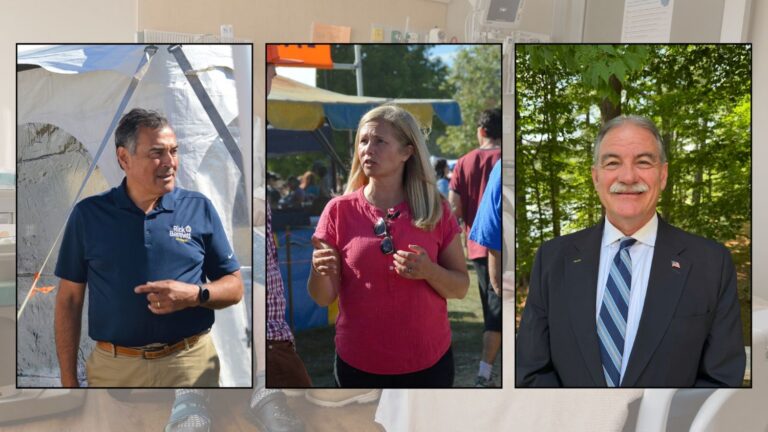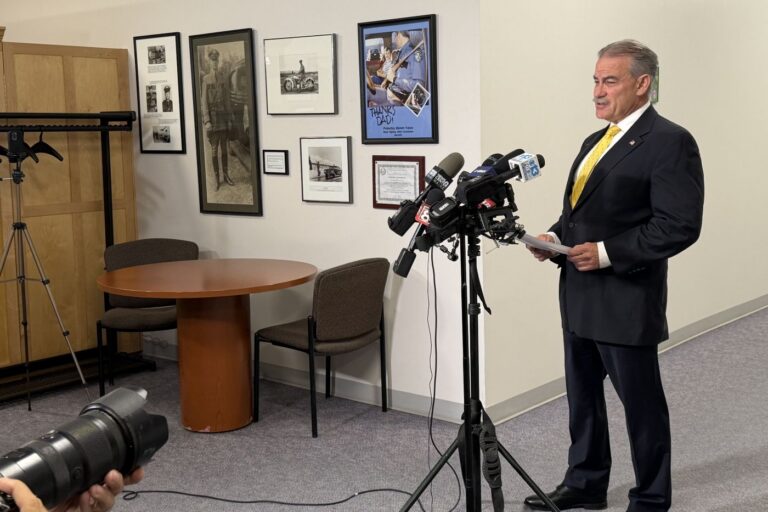



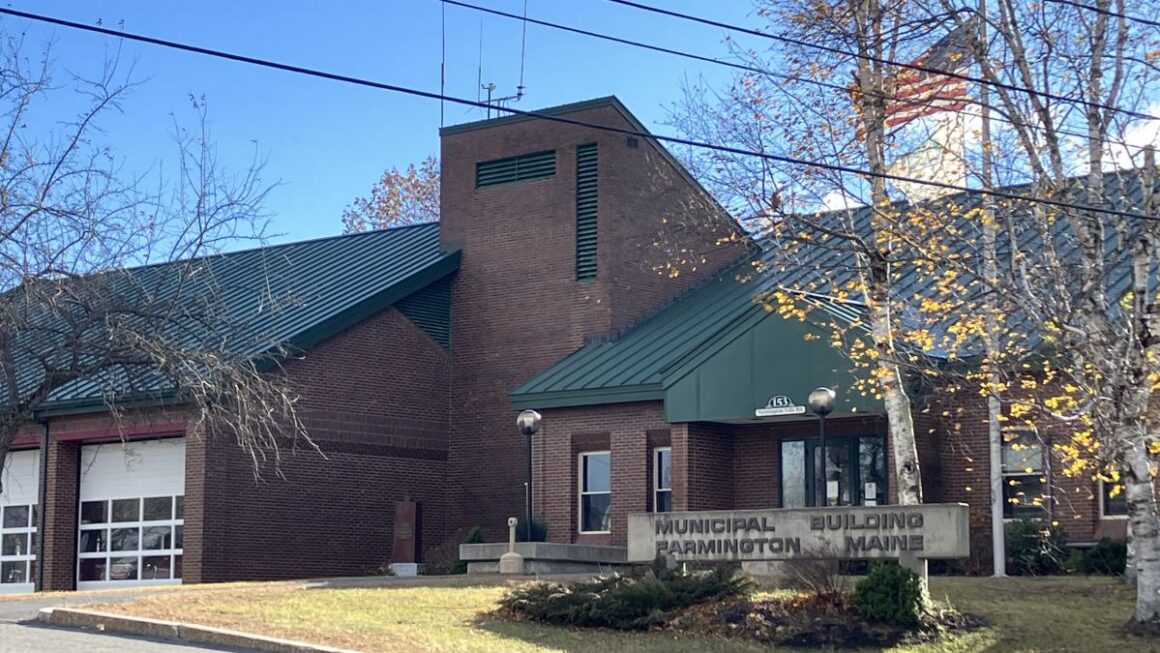
FARMINGTON — Police Chief Kenneth Charles has informed town officials that Farmington will not install cameras to monitor local intersections in the near future.
In an Aug. 17 letter to the Select Board and town manager, Charles said the Farmington Police Department will not move ahead with the proposed townwide camera project.
“This was not an easy decision,” Charles wrote. “Much has changed since we first began exploring this initiative. While we have made substantial progress and were nearing implementation with funding prospects becoming more certain, both the operational and community landscape has evolved. Advances in camera technology have expanded both the opportunities and the privacy considerations associated with these systems.”
The Select Board voted July 14 to accept $240,000 from the Byrne Discretionary Community Project, administered by the Bureau of Justice Assistance, a federal agency that supports local law enforcement through grants, training and criminal justice programs. Most of the money would have funded the installation of Verkada Inc. cameras at strategic intersections in town.
Staff members in U.S. Sen. Susan Collins’ office originally invited the town to apply for the grant three years ago. At the time, Charles said his department had handled several investigations that required officers to spend considerable time collecting usable footage.
The department had not intended to monitor the cameras in real time, but instead to access footage after an incident occurred. Public works officials also could have used the cameras to monitor road conditions during storms.
The town installed a single Verkada camera on Main Street as a demonstration unit a couple of years ago. Although the camera operated only for a limited period, Charles noted in his report that it provided “critical information” during the investigation into an 82‑year‑old pedestrian who was run over by a tractor‑trailer in 2024.
The town previously installed 10 Nest cameras at several downtown locations in 2018, using funds from its tax increment financing district and Wi‑Fi supplied by local businesses. Those cameras later became inoperative and were removed.
Funding for the Verkada cameras was delayed for two years at the federal level. The town learned this summer that it would receive the money, prompting renewed discussion about the project at board meetings and online.
Automated license plate readers, and the concerns surrounding them, have spread across the country over the past couple of years. Public safety organizations tout the cameras as essential tools for locating missing people and stolen cars, while civil rights and privacy advocates warn of mass surveillance and the potential for abuse.
In Maine, some communities have begun removing the cameras, and one state lawmaker has proposed banning the technology.
Much of the criticism has been directed at Flock Safety, a company distinct from Verkada, but similar themes have emerged in the concerns raised about the Farmington cameras.
Charles had hoped to form a steering group of residents to develop protocols and guidelines for storing and using the footage.
However, Charles chose last week not to move forward with the project at all. While the Farmington Police Department was committed to identifying technology that could improve public safety, he said, the investments needed to provide a benefit to the community while remaining consistent with the department’s “operational capabilities, fiscal responsibilities, and the expectations of the residents we serve” were too great.
“I believe this is the appropriate decision based on the circumstances before us today,” Charles wrote, “and I look forward to continuing to work with community members and our Town leadership on other opportunities to enhance public safety in Farmington.”
Select Board member Randall Gauvin said at Tuesday’s meeting that he supported the chief’s decision to move away from the camera project.
“I think that’s appropriate,” Gauvin said. “No matter how well it would have been handled, I think it would have always had a (negative) aura to it. So I think he made the right choice in putting that back.”
The board approved accepting a $15,366 grant from the Federal Emergency Management Agency to purchase three mobile data terminals for the Police Department. The units, which cost about $6,000 each, are installed in cruisers.
Another $10,000 is expected to go to the Farmington Fire Rescue Department to add equipment at the station, including a new 100‑watt base radio and two computer screens.
In other matters, the Select Board rejected another change order for the new brick wall being built at Hippach Field. After a structural engineering analysis, experts recommended a 12‑inch‑wide wall rather than the previously planned 8 inches. While the 8‑inch width was designed to match the existing brick wall, engineers determined that 12 inches would be necessary to meet updated codes for high winds.
The $39,319 change order would have largely covered additional materials, allowing the wall to withstand winds up to 185 mph.
Public Works Director Philip Hutchins said he had been debating the need for the wider wall since receiving the recommendation. On one hand, the existing 8‑inch wall — crumbling mortar and all — has been standing for decades. On the other, Hutchins said meeting the new codes for wind loads could matter in the event of an insurance claim.
Hutchins and Recreation Department Director Jennifer Savage brought the matter to the board for a final decision.
“Sounds like a bit of overkill, to say the least,” board member Scott Landry Jr. said.
Another board member voiced a similar concern.
“I’ve got to think if we’re talking about wind shear up to 185 mph, there’s going to be a whole hell of a lot of damage all over town,” Dennis O’Neil said. “That wall isn’t going to be the only thing that takes a hit.”
After asking a few questions about the town’s insurance, the board unanimously voted not to proceed with the change order. Instead, it will move forward with the originally proposed 8‑inch‑wide wall, which already accounts for strains such as the pressure of snow removal and potential flooding.