


Fryeburg Police Chief Aaron Mick’s phone and email have not stopped buzzing this week over a plan that barely exists.
Mick asked the select board for permission to seek grant funding for automatic license plate readers, an item that was put on the agenda for Thursday. But the grant he had hoped to apply for has already closed, meaning the cameras are unlikely to arrive in Fryeburg anytime soon no matter what the board decides.
The size of the reaction has caught even Mick off guard.
“Oh my God, my emails and phone have absolutely blown up,” Mick said. “This is absolutely insane that it’s such an off-the-wall hot topic.”
The Fryeburg dust-up is a local flashpoint in a fast-growing national fight over Flock and similar artificial intelligence-powered surveillance technology. Its consideration of the cameras runs against a wave of anti-surveillance sentiment sweeping Maine, as cities including Auburn and South Portland remove cameras they had already installed.
Several national political figures have also taken aim at Flock. U.S. Sen. Josh Hawley, R-Missouri, opened a formal investigation into the company on Wednesday, and Sen. Bernie Sanders, I-Vermont, said Flock’s network amounts to “AI mass surveillance” and pledged legislation to curb it.
“I don’t want to have this become a surveillance state,” Florida Gov. Ron DeSantis said at a Miami event. “Go after criminals — great, let’s all do that. But surveilling just regular Floridians’ movements, and how that data’s used, that’s a bird of a different feather.”
License plate readers automatically collect plate information from passing cars and let towns store footage as part of a nationwide searchable database. Flock markets the readers as a tool to help officers find evidence and close cases quickly, giving departments that contract with it access to a searchable database of footage from other towns.
“If anybody really looked at it, it isn’t any different than us sitting on the side of the road and running every single plate that goes by, which is perfectly legal,” Wick said. “You don’t need probable cause to run a license plate.”
But a stream of media attention, including reports of police officers stalking people with the technology, has fueled opposition. Fryeburg resident Jeffery Walburger had already planned to attend Thursday’s meeting, where the board weighed his bid to join the budget committee. He was surprised to see the plate reader item on the agenda when he read it Thursday morning.
“I was like, ‘Whoa, wait a minute, time out here,’” he said. He highlighted the agenda item and posted it to Facebook. “I honestly think that most people are not going to want it.”
Walburger wasn’t the only one steering Fryeburg residents to the meeting. State Rep. David Boyer, R-Poland, who is aiming to ban most automatic license plate readers statewide, also posted the agenda to Facebook. The liberal-leaning outlet Maine Newsroom drew attention to the meeting as well.
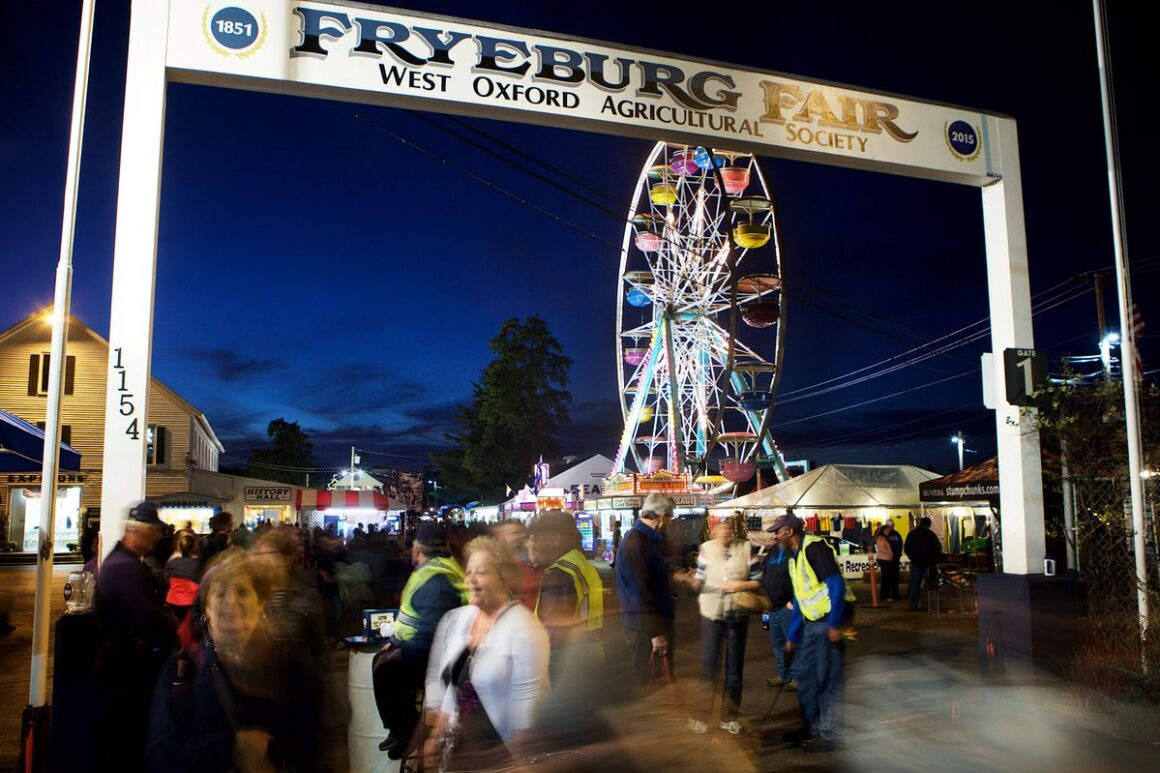
Boyer said opposition to Flock and similar technology has grown in Maine since he first announced his ban proposal. Fryeburg sits in a district near his own, and he said some of his constituents are concerned as the town’s famous fall fair approaches.
“They don’t want to be surveilled going there to eat some corn dogs,” he said. “This is Maine. We’re the safest state in the country, you know? What are we even doing this for?”
Miami Herald writer Liv Caputo contributed to this story.