


HARRINGTON — Voters enacted a Solar Energy Ordinance on Monday allowing personal and commercial solar installations for on‑site use within town limits, with Planning Board approval, while prohibiting utility‑scale solar farms and any for‑profit power generation.
The vote, held during the annual town meeting at Narraguagus High School, drew overwhelming support, with no one in the 35‑person audience raising an objection.
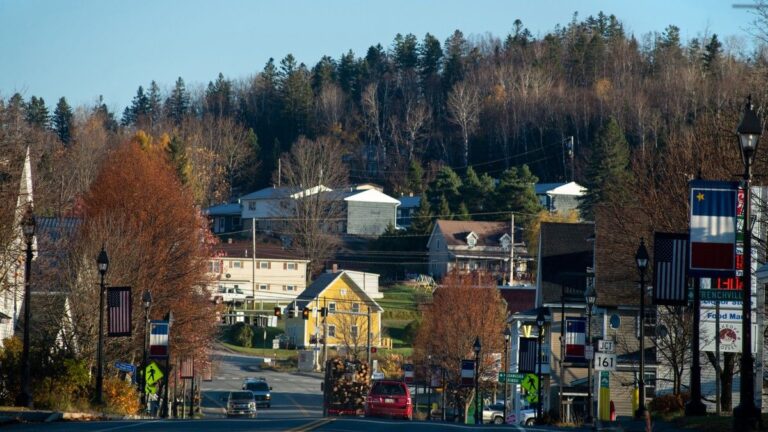
According to the ordinance, its intent is to preserve Harrington’s rural character and “prevent industrial encroachment incompatible with community values.”
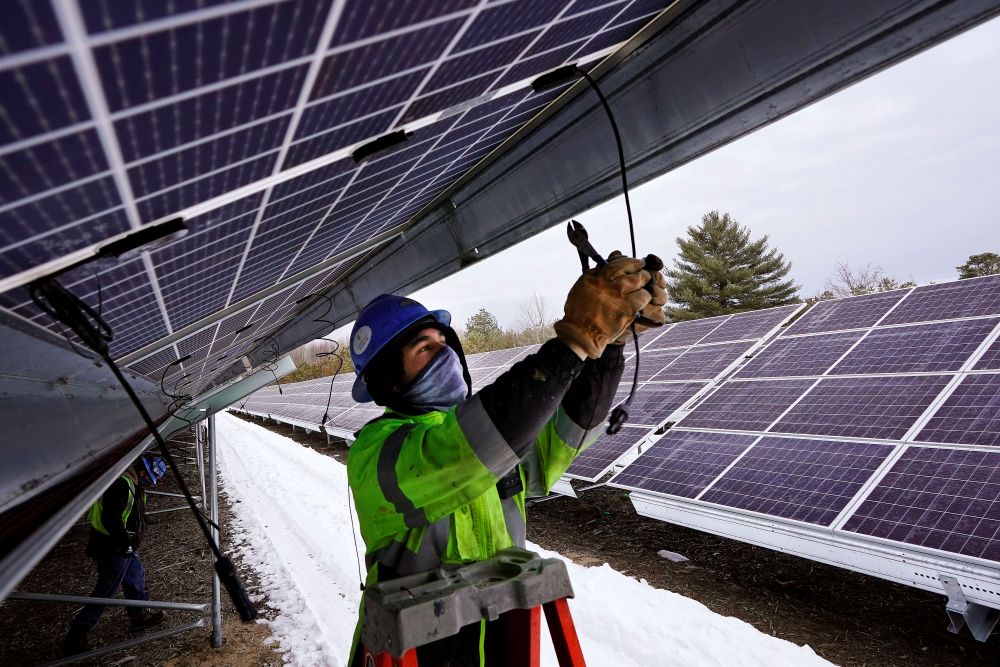
The ordinance authorizes personal ground‑mounted systems and personal and commercial roof‑mounted solar installations, but it does not authorize power to be distributed to the grid for profit.
The commercial provision applies only to Harrington businesses that install systems to power their own operations.
“Net metering is permitted for energy offset, but no profit may be derived” from the system, according to the ordinance.
Ground‑mounted systems may not be taller than 25 feet, with minimum setbacks of 25 feet from all property lines. Setbacks increase to 45 feet from town roads and 70 feet from state roads, according to the ordinance.
The systems may not exceed 2,500 square feet of total project airspace.
Owners of ground‑mounted systems must keep them maintained, including clearing vegetation, and must “reasonably” screen them from public roads and neighboring properties with landscaping, fencing or other features.
Roof‑mounted systems are exempt from screening requirements.
Owners must remove any system that remains nonoperational for more than a year and restore the site to its reasonably original condition.
All personal and commercial installations are subject to Planning Board approval.