


As Franklin County awaits a legal decision on its commissioners’ authority over the final budget, there could be ramifications elsewhere in the state.
Each of Maine’s 16 counties has its own budget process, described in a separate section of the statute; half of them operate under rules that are similar to those in Franklin. Some counties also have charters that further refine or clarify their budget processes.
County budget committees (which go by different names) are generally made up of municipal officials or other citizens of their county’s various commissioner districts. Many are elected at caucuses while others may be appointed by commissioners or legislative delegations.
Androscoggin County has a 14-member budget committee that transmits a final budget to the seven county commissioners. The county’s charter indicates that while the committee can change line items with at least 11 votes in favor, the final authority to set the budget rests with the commissioners.
Aroostook County has a 9-member finance committee that transmits a final budget to three county commissioners. Commissioners can change the budget with a unanimous vote, but the committee may reject that change with a two-thirds majority vote, per the statute.
Cumberland County has a charter that has organized its 10-member finance committee since 2010. Their final budget goes back before the county’s five commissioners, who can overrule committee changes with a majority vote.
Franklin County has an 11-member budget advisory committee that submits a final budget to the five county commissioners. Commissioners can change the budget with a majority vote; the budget committee may then reject those changes with two-thirds majority vote, per statute.
Hancock County has a 10-member budget advisory committee that makes recommendations on the budget. “Recommendations” made by two-thirds of the committee can only be deviated from by a unanimous vote of the three county commissioners.
Kennebec County has a 9-member budget committee that adopts a final budget and submits it to the county’s three commissioners. Commissioners may change the budget with a unanimous vote, but the committee may reject that change with a two-thirds majority vote.
Knox County has a 9-member budget committee that adopts a final budget and forwards it to the three members of the county commission. The commissioners can vote unanimously to overturn the committee’s budget, but the committee can sustain their budget with a two-thirds majority vote.
Lincoln County has a 9-member budget advisory committee that makes recommendations to the commissioners, who then act on the budget.
Oxford County has a 9-member budget advisory committee that submits a budget to the three county commissioners. Oxford County’s statute does not include a reference to itemized budgets — meaning that the committee is responsible for setting the total budget, not spending for each department. Commissioners may change the committee’s budget, but the committee can reject that change with a two-thirds vote.
Penobscot County has 15 members on its budget committee which, per statute, can vote to change the budget with a simple majority. The three county commissioners can override the committee with a unanimous vote.
Piscataquis County has three county commissioners who appoint the 9-member budget advisory committee. That committee makes recommendations to commissioners, who then act on the budget.
Sagadahoc County has a 9-member budget advisory committee that makes recommendations to the three commissioners, who then approve the final budget. The committee does gain authority over approving the budget if the county exceeds the LD 1 growth cap.
Somerset County has a charter, which established a 10-member budget committee to go along with five county commissioners. The committee proposes a final budget to the commissioners, who may make changes with a two-thirds majority vote. Those changes can then be rejected by a two-thirds majority vote of the budget committee.
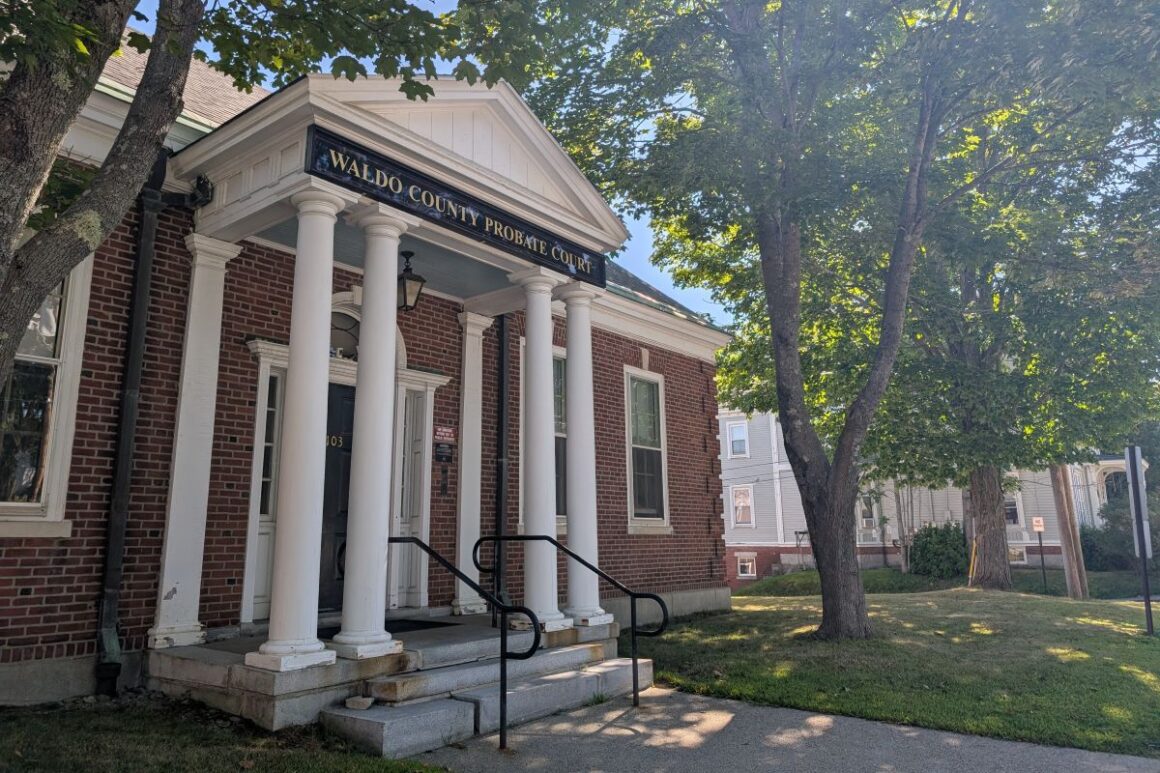
Waldo County has a 9-member board that reviews budget estimates prepared by the county’s three commissioners and then approves a final budget.
Washington County has a 9-member budget advisory committee that submits a budget to the three county commissioners. Similar to Oxford, Washington County’s statute does not reference itemized budgets. The committee’s final budget can only be changed by a majority vote of the commissioners; the committee can then reject that change with a two-thirds majority vote.
York County has a 15-member budget committee that adopts a final budget and transmits it to the five county commissioners. The budget can then only be changed by majority votes of the commissioners and the committee.