



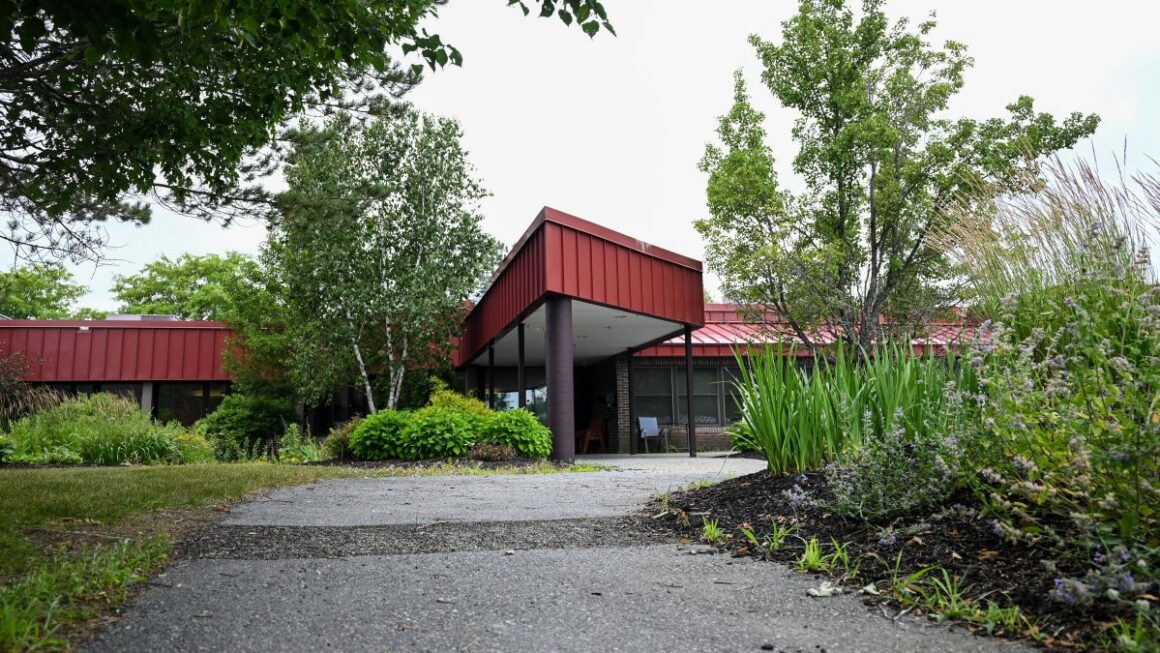
Since it opened 10 years ago, the Maine Arts Academy, a public charter school now based in Augusta, has seen a large percentage of its teachers leave annually, often in the middle of the school year, raising concerns about the workplace and the impact on students.
The high school, formerly known as Snow Pond Arts Academy, was created to allow students to study performing and visual arts, and it started off small: During its first four years, it had between three and seven teachers annually. But, each year, the school saw a turnover rate of 100 percent — meaning the equivalent of every teacher on staff left.
As the teacher workforce grew, the rate of turnover decreased but averaged 23 percent annually between 2021 and 2025, according to numbers the school filed with the Maine Charter School Commission. More than half of teachers who left did so in the middle of the year.
In the 2024-2025 school year, five out of about 16 total teachers departed.
The Maine Monitor spoke to nine current and former employees about the school’s climate, and all but one expressed concern about how the school is run, which they believe is prompting staff to leave. Six people said the head of the school, Heather King, and other school leaders created an environment that prevented staff from expressing disagreement or criticism. Five people felt that school leaders initiated disciplinary proceedings over minor issues.
Three former teachers said they felt they could not teach their history, literature or social studies curricula as they saw fit, even though they had been approved by the school, especially if a parent complained about the subject matter. One English teacher, Sam Shain, said administrators pushed him out after he clashed with them over his curriculum, which touched on racism.
“I’m not the only one with a similar experience kind of getting driven out for simply doing the job of being an educator and dealing with tricky subject matters that are both relevant and important to put on a young person’s radar,” Shain said. “I feel as though there’s a whole lot of self-preservation going on at the expense of those kids’ education.”
Seven people said that teachers and other staff often left without explanation. One current teacher, who declined to be named out of fear of retaliation, said she could name three people who left the school just this past year, in addition to the principal, James Giusti. The Monitor could not reach him for an interview.
Some people said they worry that a constant flow of new staff is harming student learning.
Student survey results, which the charter school commission collects annually from schools, show that students in the 2024-2025 school year poorly rated their school climate, academic expectations and the nature of teacher-student relationships.
Student turnover is also high: Between 2016 and 2025, an average of 22 percent of students left the high school annually. The vast majority of those students left in the middle of the school year. The academy educates more than 200 high school students annually.
School leaders disagreed that teacher turnover is a problem. King, the head of school, and the Maine Charter School Commission, which oversees the state’s 10 charter schools, argued that the level of teacher turnover seen at the academy is not concerning, particularly for a small school, which expanded to serve middle school students in the 2025-2026 school year.
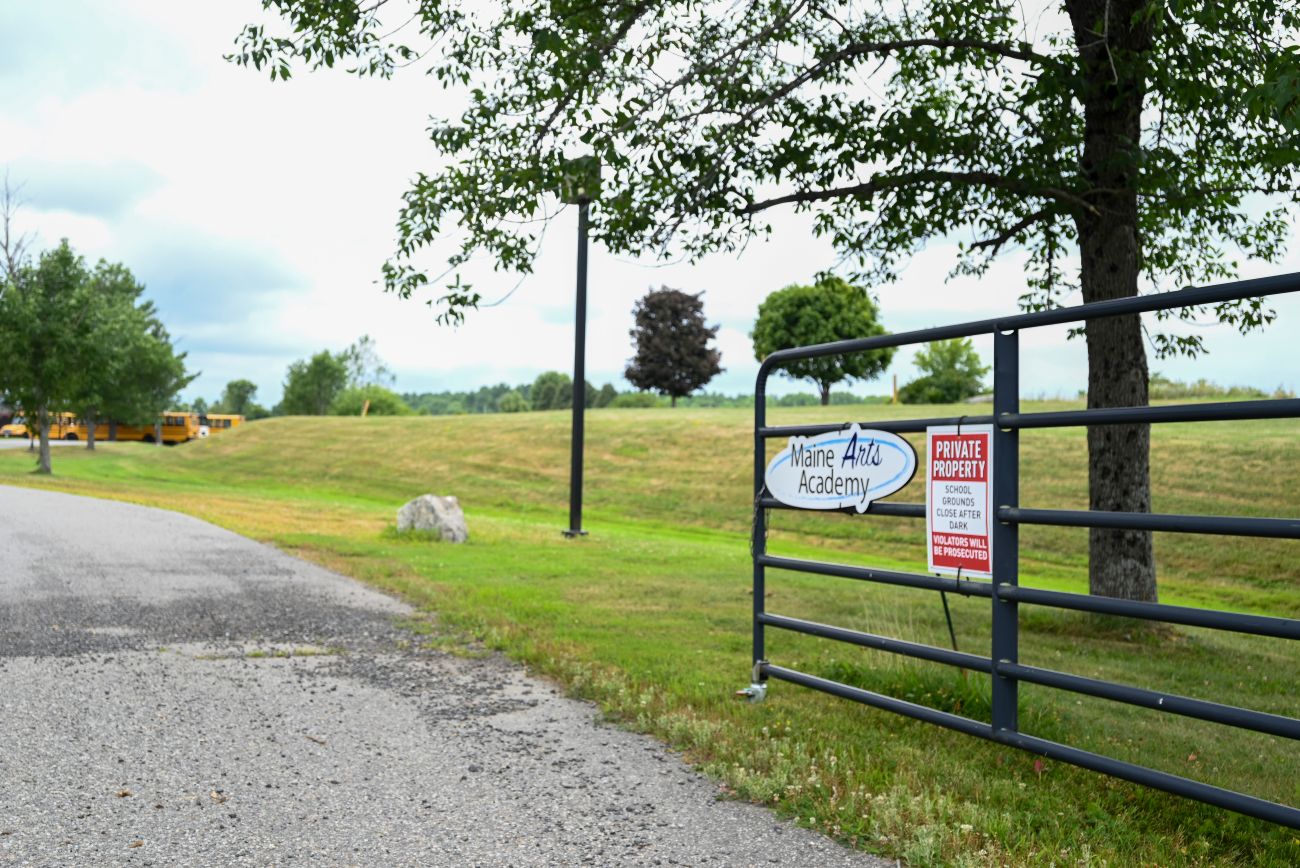
“There isn’t an egregious pattern that we’re seeing right now of teacher turnover at the school,” said Lana Ewing, the executive director of the commission. “In fact, with their expansion into middle school, they’ve been able to hire quite a few teachers. So the commission right now doesn’t recognize that the school is facing a challenge with teacher turnover.”
Ewing said the commission also considers other data points, such as annual school satisfaction surveys, to gauge how teachers are doing. Teachers have highly rated the school’s climate since the commission started collecting responses in the 2022-2023 school year.
Yet the Maine Arts Academy’s average teacher turnover rate is higher than the turnover rate at Maine public schools, which averaged nearly 13 percent from the 2016 school year to the 2017 school year, according to the most recent numbers from the Maine Education Policy Research Institute.
‘You feel like you can be fired for nothing’
The Monitor spoke with four former teachers at the school who said they often felt that disagreements with school leaders could put their jobs at risk.
The former English teacher, Shain, clashed with school leaders over course content that had already been approved. He had taught some of the materials in class — such as “Rising Out of Hatred,” a book about a reformed white supremacist by New York Times reporter Eli Saslow, and George Orwell’s “1984” — previously without an issue, he said. But in the 2020-2021 school year, Shain said administrators challenged his curriculum. In response, he removed a YouTube video that denounced and explained modern racism that school leaders expressed concern about, he said. But he took issue with other attempts to curb topics such as politics in the classroom.
“I have a real problem with censoring material, especially if it had been approved by the administration,” Shain said. “The subject matter is honestly pretty tame. White supremacy was neither factually or morally acceptable.”
The school ultimately mailed him a certified letter in June 2021 stating he would not be invited back to teach. It didn’t list a reason why.
After he was let go that summer, Shain said he received copies of a series of informal work evaluations from the school that documented five instances — one in October 2020, with the remaining reviews in 2021 — where the school appeared to ask Shain to focus class time on reading and writing standards, to “model tolerance” to students, and to “discontinue the use of incendiary materials to provide instruction in the classroom.” The school also vaguely referenced “parent complaints about curriculum,” without providing detail.
Shain said it was “shocking” to see these evaluations, which he felt misrepresented the interactions he had with administrators over his curriculum. He said they were the first complaints he received in his teaching career.
“It was one of the worst periods of my entire life,” Shain said. “It was awful. I felt just crushed at the way I was treated.”
Shannon Thurston, a former choir teacher who quit in 2021, said that turnover at the school was constant. She described feeling uneasy about her role after seeing how other teachers, such as Shain, had conflicts with the administration over course content.
“We all just kind of walked on eggshells,” she said.
King declined to discuss situations involving individual teachers, stating that it was illegal for her to do so. In an email, she wrote that staff have annual contracts. Employment matters often involve confidential information, she wrote, and there “are limitations to what the school can publicly discuss regarding individual cases.”
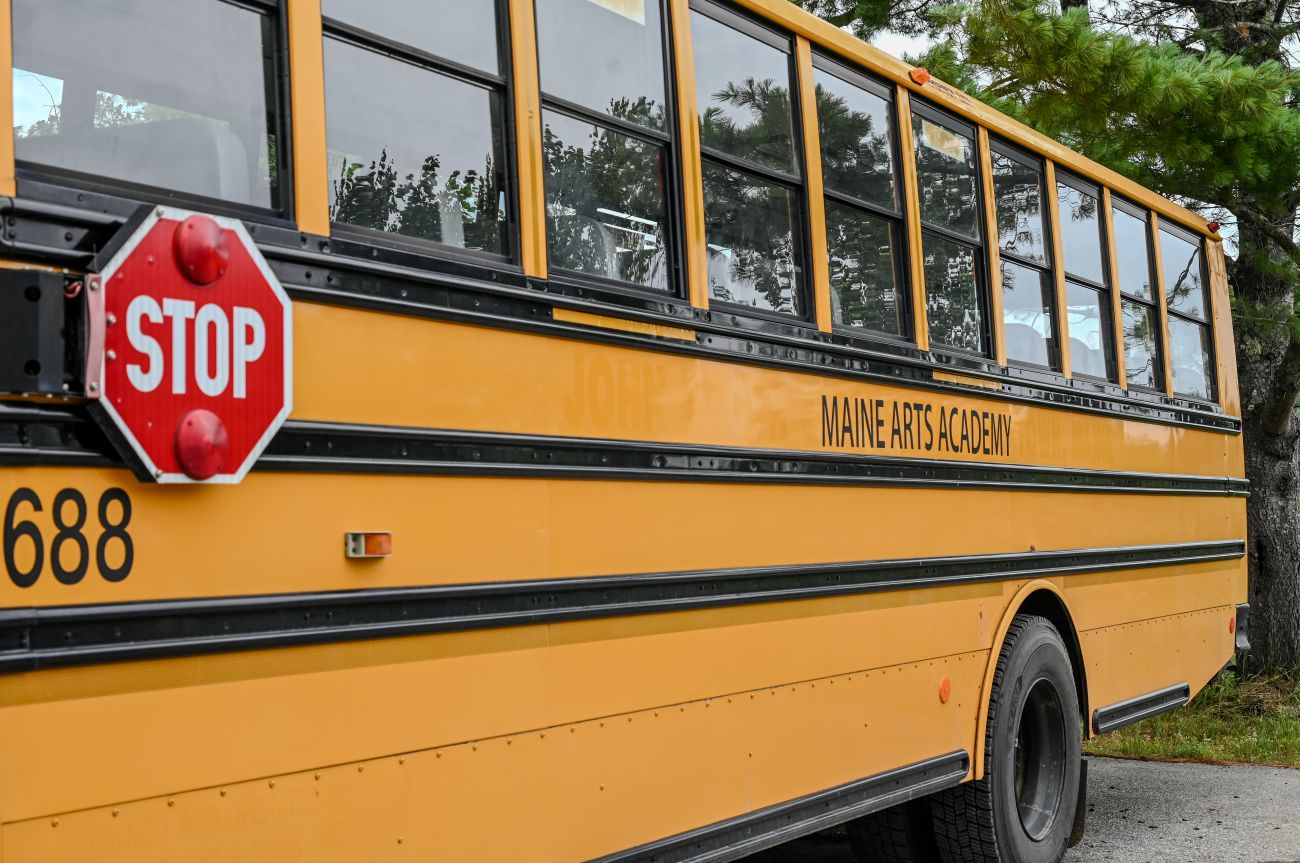
One social studies teacher, Richard Balzano, attempted to resign in 2019 after school leaders wanted to discipline him for emailing them to ask if the school had a filter that blocked online news sites such as Vox or Vice, which he would use in his class. He said he was asked to sign a disciplinary write-up for sending a passive-aggressive email. (Balzano said he initially learned about the filter from a technology worker at the school.)
“What a unique and bizarre thing that could only happen in a non-union environment,” Balzano said.
The write-up, which Balzano said he refused to sign, followed what he described as several disagreements with King about politics in his curriculum, he said. So he emailed human resources on Jan. 16, 2019, to resign.
“If you get fired in education — you’re toast. Good luck finding another gig,” Balzano said. “So I wanted to technically, legally beat them to the point.”
Shortly after, he said Deborah Emery, who was then the superintendent, dissolved the write-up and convinced him to stay.
But the next day, Balzano emailed Emery and human resources to say he was unsure he wanted to continue working at the school. He described an exchange in which King asked him to stay neutral when discussing politics during class as there were many conservative families attending the school. He also described feeling as though his feedback was often perceived as an attack. He said he felt unsupported as a teacher.
Balzano told The Monitor that he was critical of all political parties and that he advocated for independent sources in the classroom.
“Love the school. Love the students. Love the staff. Love the view. I even love the commute. But this has been a bumpy experience,” Balzano wrote in the 2019 email to Emery and human resources. He left the school more than a month later.
Another teacher, who still works at the school and asked not to be named to protect her job, said that “you never know what it is that you’re going to do that is going to set someone off and get you fired.”
“It’s really hard to work in that kind of environment,” she said. She loves working with students, she said, but a lack of trust in leadership and a lack of workplace protections may be prompting teachers to leave, often without explanation.
“I think the underlying issue is that you feel like you can be fired for nothing,” she said.
Balzano said a union could be one solution to reducing turnover, though he noted an attempt to unionize several years ago failed.
“Typically you only get hired once, maybe twice, in your career as a teacher,” Balzano said. “Then you buy a house and enjoy a nice middle-class life. You don’t worry that your job is on the chopping block because somebody doesn’t like it when you teach a class about race or poverty or health care.”
‘Nothing but wonderful experiences’
King didn’t provide specific details when she explained in her 2025 application to renew the school’s charter why teachers were leaving. Instead, she attributed staff departures to “personal, professional and logistical factors,” including staff moving, staff getting other jobs and the “revolving needs of the school.”
But in a 19-minute phone call with The Monitor, King said a small workforce will make turnover appear high. She also referenced staff who had been fired, saying the school couldn’t keep people who had been violent. (Background checks of teachers interviewed by The Monitor showed no criminal histories.) King did not elaborate or talk about the reasons why employees might be quitting.
“I can’t keep staff that do something that is … violent, grooming children. I can go through a list of things. I can’t keep staff that are doing something that’s illegal. I can’t,” she said. “There’s not one staff member that’s ever been fired that hasn’t gone through our attorney.”
Asked about her process for vetting teachers, King said the school reviews references and requires teachers to be licensed. She also said that allegations by staff about the academy don’t align with reality.
“I just think it’s the opposite of what our school’s about,” King said.
Academy staff are employed “at will,” meaning the school can terminate a job at any time, according to an employee handbook. In addition to drug use or violence, teachers can also be fired for insubordination, “spreading malicious gossip or rumors,” “sharing political opinions and affiliations” in the classroom and poor job performance.
“Maine Arts Academy is proud of its employees and has employee satisfaction levels above 90% as compared to other schools and has also had continued growth as it finishes its 10th year of operations,” King wrote in a statement that she emailed after the phone call with The Monitor. “We are confident that the vast majority of our employees love their experience with MeAA and they have chosen to remain at Maine Arts Academy for multiple years and continue to contribute to the school’s mission.”
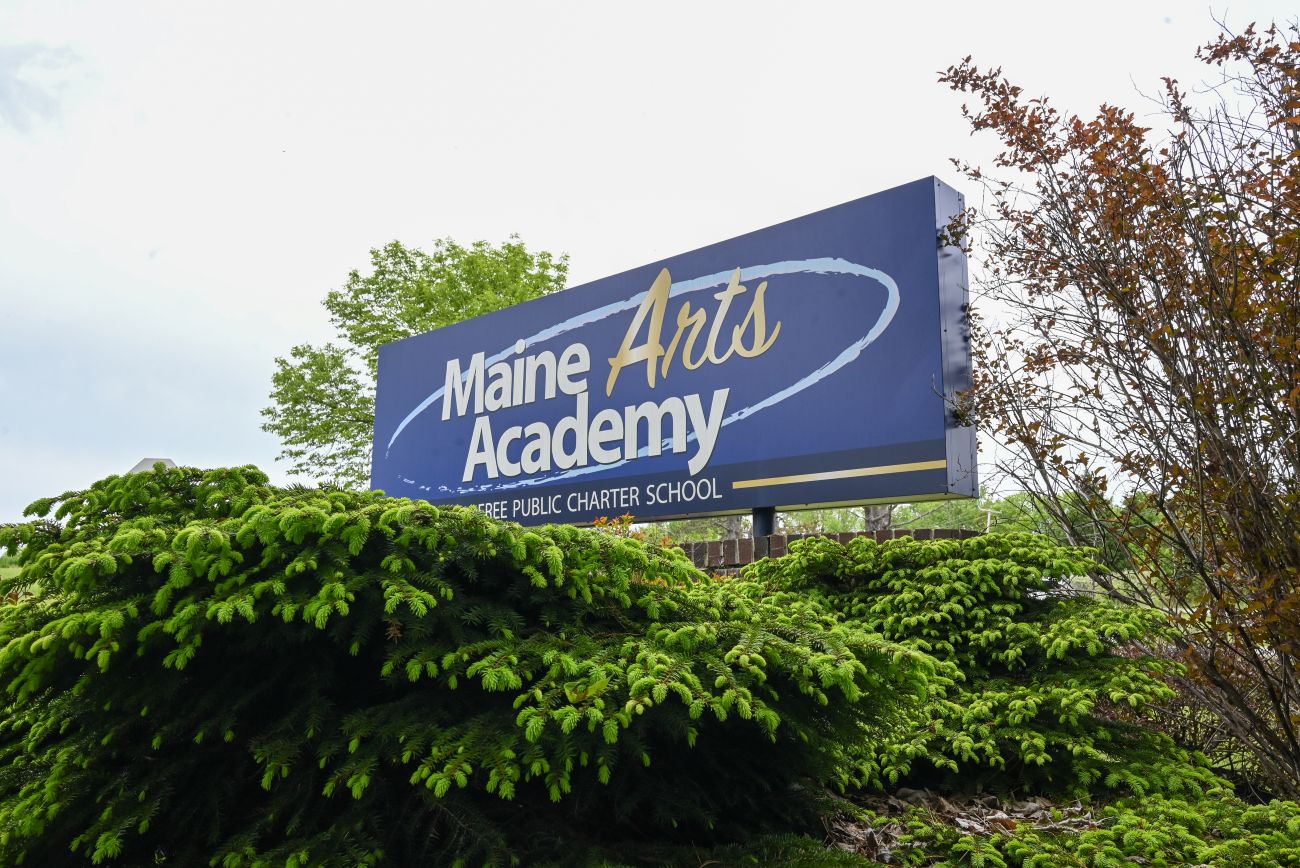
In the 2024-2025 school climate survey, staff rated the academy highly for school climate, leadership, professional development, and its feedback and coaching opportunities. Families also highly rated the academy for school climate, fit and safety. (The survey’s raw results are not publicly available. Instead the commission publishes how the school’s metrics compare with similar schools across the country.)
Ewing said that 75 percent of teachers must participate, as well as 35 percent of families. One teacher, who asked not to be named to protect her job, said she never considered the survey to be truly anonymous and that it “did not feel safe to answer negatively about administration.” (Ewing said the data, which is collected through a third party, is fully anonymous.)
John Neal, a music teacher at the school and a former board member, disagreed that there was a problem with the school’s climate. He expressed frustration at the idea that some employees might be trying to “besmirch” the school’s reputation.
“I’ve had nothing but wonderful experiences here,” Neal said.
Yet students rated the school climate poorly three years in a row in annual surveys that the commission collects. Kids gave high marks for school safety, but poorly rated school climate, student-teacher relationships and academics in the 2024-2025 school year.
The same teacher who asked not to be named said that the students’ assessment of the school made sense: They might feel safe, but building relationships with teachers can be hard, especially when turnover makes it difficult for students to form strong connections with educators.
“It’s hard to build a relationship with somebody who’s only there for half a year, or a year,” she said. “If you’re a student trying to do four years at a school, having all different teachers every year makes it difficult to build a relationship.”
Neal said that educators can do a better job explaining what students are being asked to evaluate on the survey.
Ewing said that student survey results are a reasonable data point to look at when assessing why student turnover is high. The school’s relocation to Augusta in the 2023-2024 school year could have contributed to turnover, she said.
In the academy’s charter renewal application, King attributed student turnover to a variety of factors: relocating, troubled home lives, lack of immunizations and students thinking that the academics were too hard. Two students, she wrote, were expelled.
To address student turnover, King said in the renewal application that the school implemented a two-week check-in period for new students to see if they need anything and to gauge how happy they are at the academy. She did not provide further details in the application on efforts to improve student retention, and did not respond to two follow-up calls and five emails from The Monitor for additional information.
King also wrote that the school has taken steps to improve staff retention, including enhancing “support systems, professional development opportunities, and ongoing evaluations of workplace culture.”