


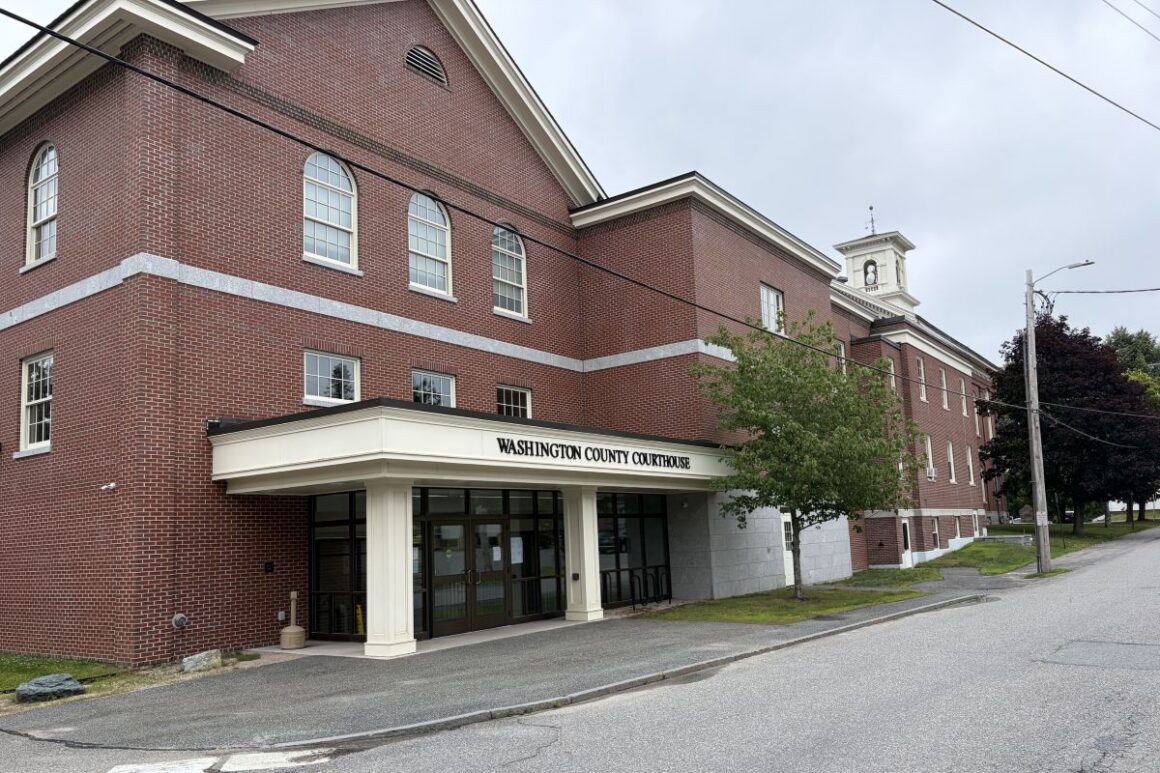
MACHIAS — Three years after Maine State Police ended routine rural patrols in Washington County, the county Sheriff’s Office remains responsible for covering the region’s 3,258 square miles with a limited number of deputies, a shift officials say continues to strain local staffing and emergency communications.
The state police officially ended routine rural patrol coverage in Washington County in July 2023, shifting primary patrol responsibilities to the Washington County Sheriff’s Office.
The restructuring allowed troopers to be reassigned to specialty teams, including tactical units, crisis negotiation, underwater recovery and the bomb unit.
At the time, Sheriff Barry Curtis discussed the significant strain the changes would place on the department.
“They’re putting a big burden on us,” Curtis said in 2023.
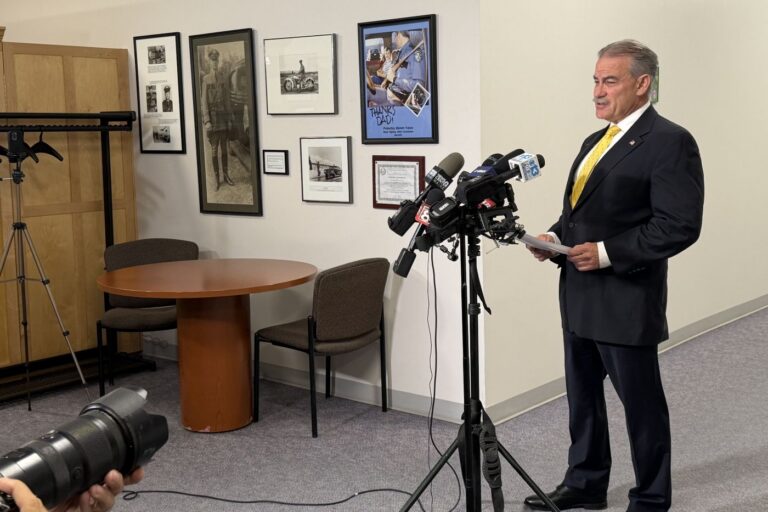
Michael Crabtree, the department’s chief deputy and a Republican candidate for sheriff, said the loss of routine state patrols continues to affect operations.
When asked about daily coverage, Crabtree said: “A typical day in Washington County has four patrol deputies to cover roughly 3,000 square miles both day and night. This includes covering complaints in some towns with police departments when they do not have officers working.”
Since the state police ended routine patrols, Crabtree, who oversees the department’s daily operations, assists with investigations and manages administrative functions, said the Sheriff’s Office has assumed responsibility for nearly all calls outside municipalities with their own police departments.
“We are responsible for all of the complaints, outside of towns with (police departments), which has had a dramatic effect on our overtime budgets,” Crabtree said. “In the past, when we were sharing complaints with the State Police, we were often able to shift resources to help manage overtime as the State Police were responsible for at least one-third of the county’s complaints. That is no longer the case.”
Crabtree said the Sheriff’s Office has handled 45,382 calls for service over the past five years: 8,583 in 2021, 7,792 in 2022, 9,630 in 2023, 9,763 in 2024 and 9,704 in 2025. In 2026, the Sheriff’s Office has responded to 4,720 calls through Aug. 3.
“I’m not sure that any particular call has had a drastic increase,” Crabtree said. “What has continually increased are the number of calls we respond to that require a two-deputy response.”
Response times have also continued to be affected.
“With only four, sometimes five deputies covering the entire county, it does sometimes take some time to respond, depending on the nature of the complaint,” he said.
Crabtree said other state agencies, including the Warden Service, Marine Patrol, forestry, and State Police, continue to assist when requested and available.
If elected sheriff, Crabtree said he does not anticipate major changes to patrol operations.
“We will continue to try and budget for additional personnel and utilize qualified reserve deputies to help bridge the gap as much as possible,” he said.
When asked about the biggest challenge following the end of routine state police patrols, Crabtree pointed to staffing shortages and the added strain on emergency communications.
“The biggest challenge was, and still is, having the manpower to handle all of the calls for service for the entire county,” Crabtree said. “The other challenge that is less thought of is the strain it puts on our communication center. Before, if a call came in the area the state police were covering, we would transfer the call to their (communication center). Now, that call that may have taken our staff 10 minutes might turn into a 45-minute call. Subsequently, if someone from Washington County calls the state police, their dispatch transfers the call to us.”
To help address staffing demands, Crabtree said the Sheriff’s Office adjusted its scheduling and worked closely with local police departments.
“We changed our schedule to where the deputies work 43-hour shifts with time spent on call, which allows us to cover the greatest number of hours with the staff we have,” he said. “We also work as best we can with the police departments to initially answer calls in their towns when they are not working.”
Reflecting further on the struggles with staffing, Crabtree said the county “lost three patrol positions last year in the budget process.”
When asked how the state could have handled the transition differently, Crabtree said state funding should help offset the increased burden placed on local taxpayers.
“I think we need to come up with a way for the state to help offset the increased cost to the property taxpayer,” he said. “If the state police are unable to participate in our county, then we need to find funding out of the state budget to help with the shortfall.”