


The Franklin County jail in Farmington has seen big changes since it introduced a new addiction treatment program last year, Major Ryan Close said on Thursday evening.
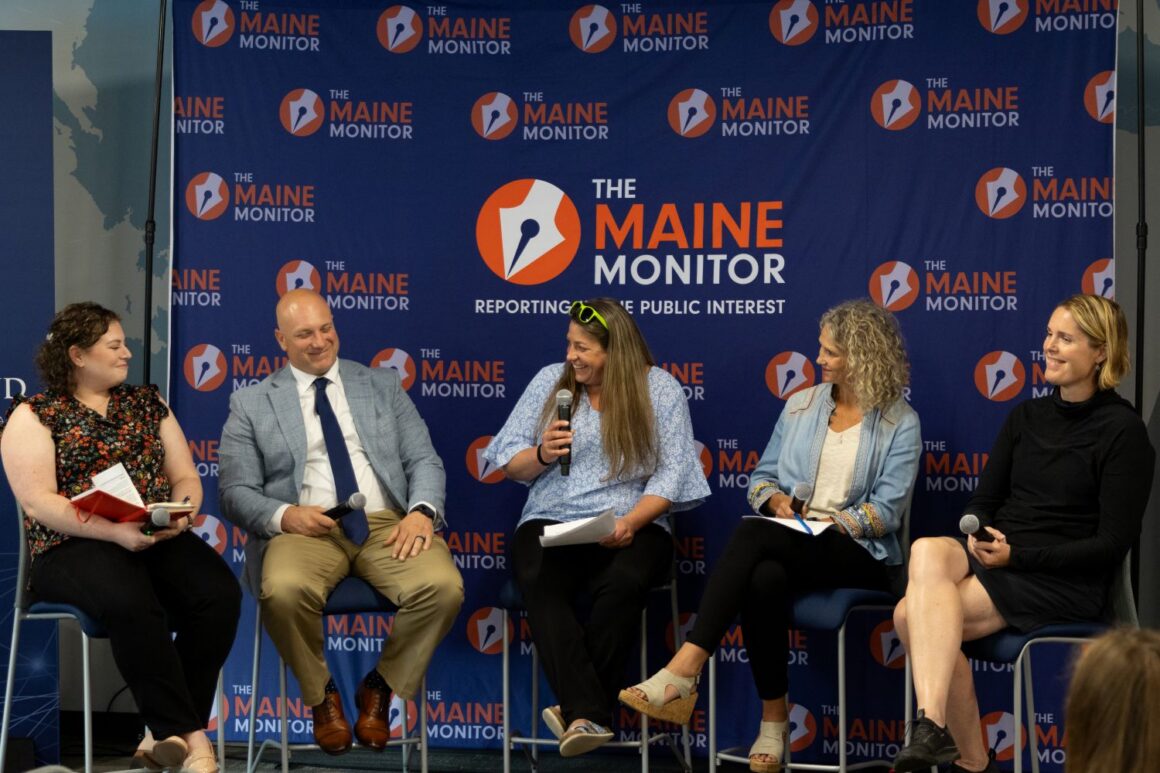
He was speaking on a panel The Maine Monitor brought together at the University of New England North in Portland as part of its ongoing series of Monitor Talks.
The panel, moderated by health care reporter Emily Bader, built on a recent four-part series she wrote that examined how Maine’s 15 county jails are providing addiction treatment.
One of the jails she looked at was the Franklin County Detention Center, which launched a new treatment and re-entry program last year. The jail now provides monthly shots to prisoners with an opioid use disorder rather than a daily pill.
The panelists who spoke Thursday were involved in establishing and running that program. In addition to Close, who currently oversees operations for the Franklin County Sheriff’s Office, they were: Alison Prior, the programming and re-entry coordinator at the Franklin County Detention Center; LeeAnna Lavoie, a public health consultant with MaineHealth; and Dr. Alane O’Connor, the director of addiction medicine at the Somerset and Franklin county jails.
The injections have been “transformative,” Dr. O’Connor said. Because the medication slowly dissolves under the skin and remains in a person’s system for a month, it protects people from overdosing during the high-risk period immediately after release and buys them time to connect with community resources.
Data from the Somerset County program, which launched several years before Franklin’s, showed that individuals leaving the facility were three times more likely to remain in treatment than those from another jail that offered the daily medication. The Somerset County program also saw zero overdose deaths the first year, compared with four among people leaving the comparison jail.
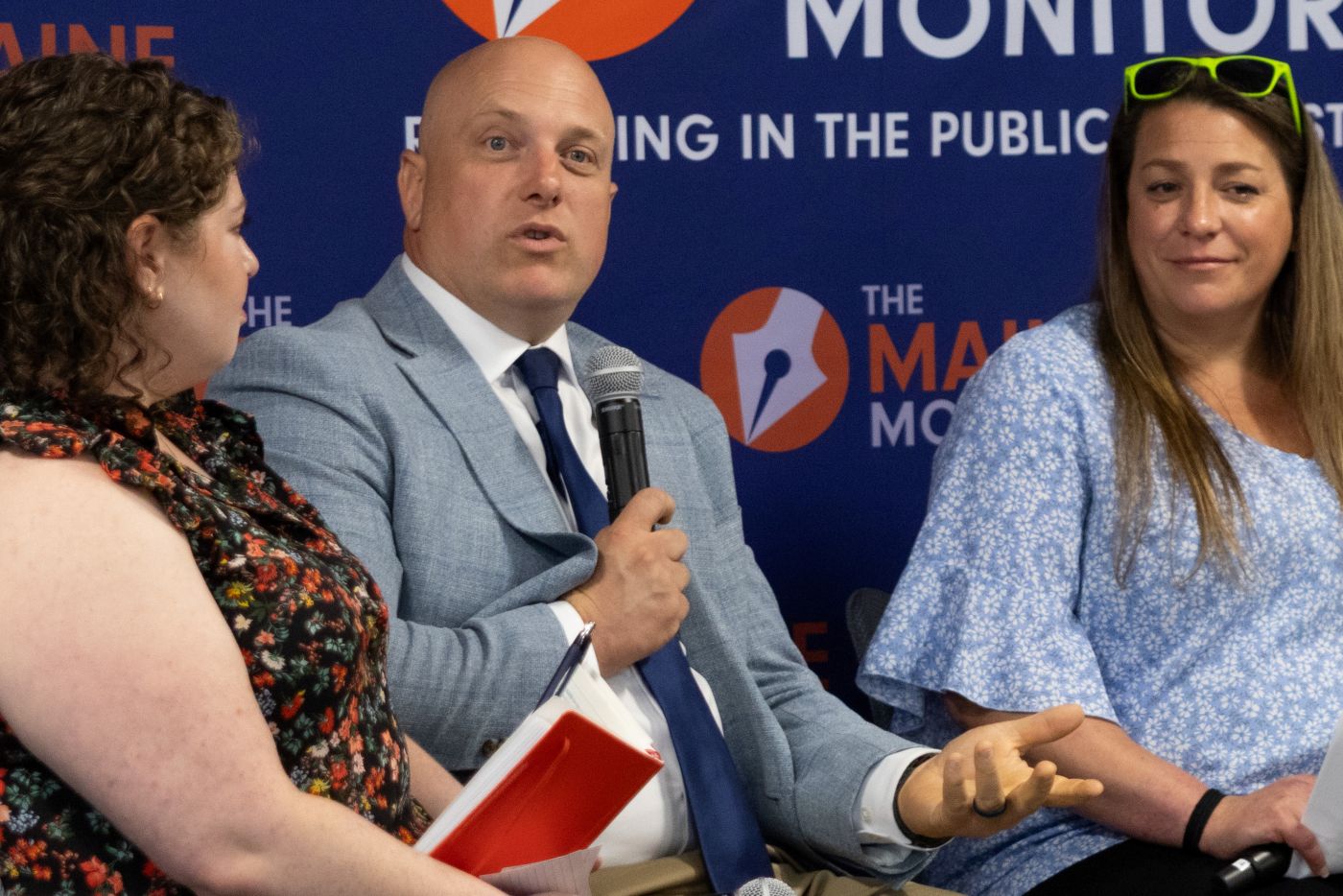
The shots have also changed the environment inside the jail, Close said. With the daily pills, there was a risk that prisoners would be coerced into smuggling and misusing them. Since the jail stopped offering them, there has been less violence in the jail. Logistically, he said, it is also much easier to administer a monthly shot than daily pills.
The jail’s approach to treatment incorporates more than just the medication, Lavoie said. It also includes offering prisoners resources and education, teaching correctional staff about addiction and providing re-entry support.
This last piece is overseen by Prior, the re-entry coordinator, who acts as an in-house case manager, helping prisoners prepare to transition back to the community by linking them to a provider who can continue giving the monthly injections, by setting up a transfer to a recovery facility and by offering whatever else will help them land on their feet once they leave the jail.
At this point, the Franklin and Somerset county jails are the only two in the state that offer the monthly shots. Other jails are interested in following suit, O’Connor said, but the challenge is finding funding. A single shot typically costs around $1,500.
“What’s most important to me is just the guys that I sit with in the jail who are like, ‘This program saved my life.’ Or the people who come to the jail afterward and say, ‘This program saved my family,’” O’Connor said. “That’s why we’re doing this work, and I wish we had a lot of money to do it everywhere.”